Hotel Borgo Eolie
Lipari - Contrada Mendolita
Book now
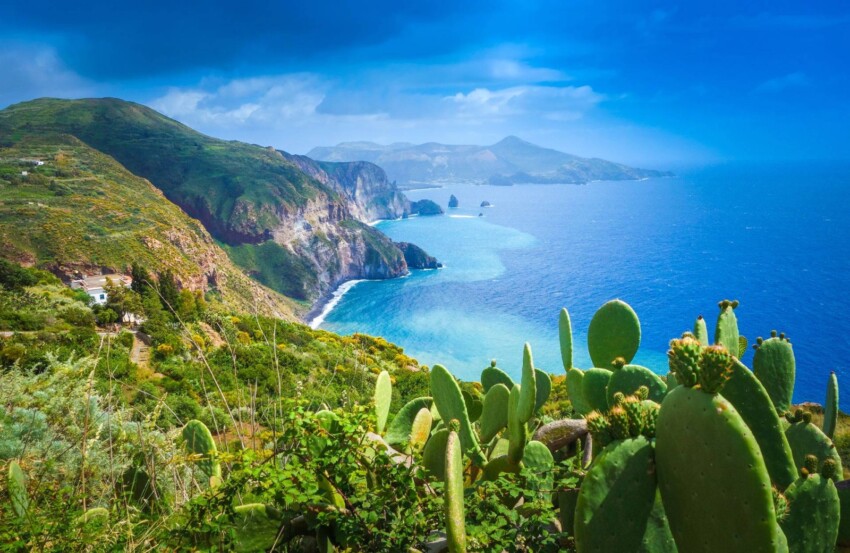
Lipari is the largest of the seven islands that make up the Aeolian archipelago and, from a tourism perspective, is the most developed whilst still maintaining a wonderfully peaceful atmosphere.
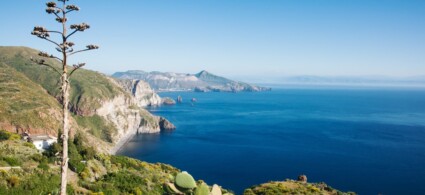
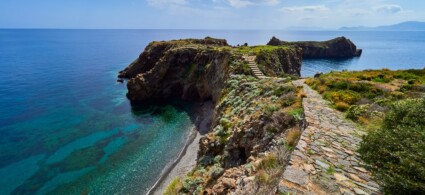
Silent plateaus ideal for trekking, cliffs dropping dramatically to the sea offering stunning views and beautiful beaches make Lipari a destination much loved by visitors from all over the world. Mountainous with jagged coastlines dotted with unique beaches, expansive bays and deep caves, Lipari is best explored by boat.
Lipari Town sits at the foot of Rocca del Castello, a Greek acropolis, and is not only the main hub of the island but also the principal transport junction between the Aeolian Islands. The centre is scattered with shops, small restaurants and bars, whilst the historic Palazzo dei Vescovi, adjacent to San Bartolomeo Cathedral, houses the important Aeolian Archaeological Museum, which offers insight into the 5,000 years during which the archipelago was inhabited.
On the island you’ll find the villages of Canneto, Acquacalda, Quattropani, Lami, Pirrera, Serra and Pianoconte, as well as San Calogero Thermal Springs. Monte Chirica, at 602 metres above sea level, is Lipari’s highest point, whilst Valle Muria, with its red rocks, reveals its volcanic origins.
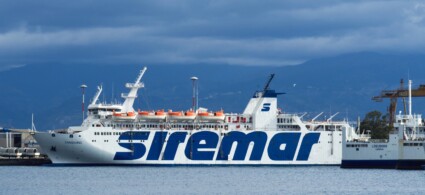
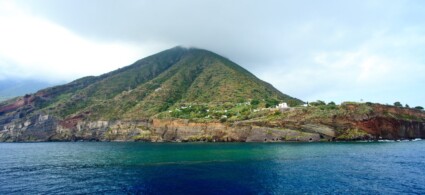
The nearby islands of Vulcano and Salina are ideal for a day trip, though all the islands in the archipelago are easily accessible and perfect for excursions. The landing points for hydrofoils and ferries are found at Marina Corta and Marina Lunga.
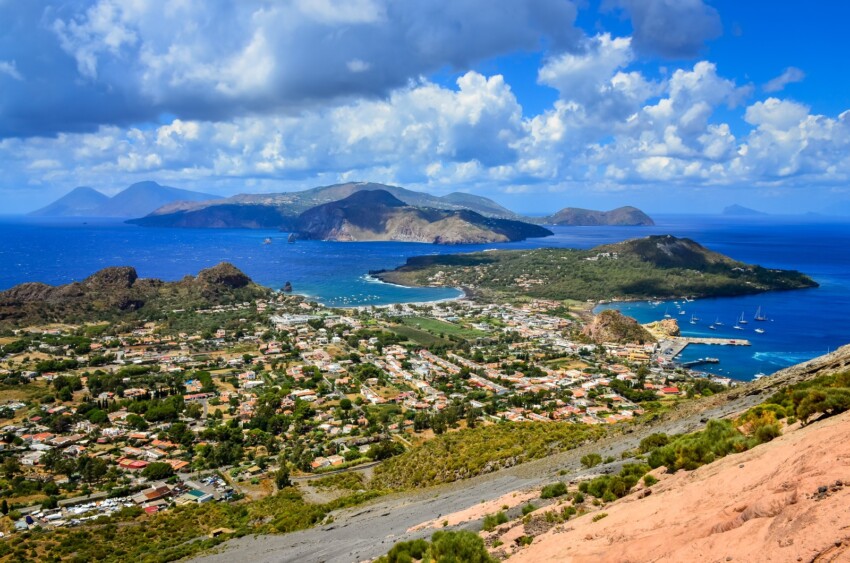
The beaches of Lipari are an absolute gem that, together with stunning bays and deep caves, create a true spectacle for the eyes – particularly if you’re lucky enough to explore its coastline by boat.
Spiaggia Bianca, or Papesca Beach, is the island’s most famous: situated around 4 kilometres north of Lipari Town and just beyond the village of Canneto, the beach takes its name from the spectacular expanse of pumice powder that makes up its striking sandy shore.
Among the most beloved coves are Cala Portinente, Valle Muria beach, Porticello beach, Spiaggia dei Gabbiani – accessible only by sea – Acquacalda with its pebbles, and Canneto with its sand and pebbles.
Equally charming are Vinci Beach overlooking the rocks of Pietralunga, Pietra Menalda and Brigghio, and the wild Punta del Pericato beach. Praia di Vinci beach, to the south of Lipari town, just before Punta Crepazza, is only accessible by boat, which has helped preserve its pristine environment.
You can discover the magnificent Lipari coastline by following the scenic 26-kilometre road that runs along it.
Among Lipari’s most beloved beaches, Papesca Beach – or Spiaggia Bianca – is located along the island’s eastern side, north of Canneto, at the level of Porticello.
Divided in two by the small headland of Capo Rosso and topped by a brilliant white cliff, it is made up of greyish pebbles whilst the seabed holds pumice deposits creating stunning plays of light and colour with the crystal-clear, intensely turquoise waters. During the summer months you can hire sun loungers and parasols and refresh yourself at the small bar, which also has showers and transforms into a nightclub in the evening.
Several old mining structures, ancient jetties now reduced to ruins, characterise the Papesca landscape, with obsidian and pumice quarries in the background.
To reach Papesca Beach, follow the signs for Acquacalda.
Porticello Beach is located along Lipari’s northeastern coast, along the road leading to the village of Acquacalda, just after Spiaggia Bianca.
The narrow, long shore of smooth grey pebbles, embraced by white cliffs, sits between the Campo Bianco quarries and the obsidian flow of Rocche Rosse.
Porticello Beach, easily accessible by car or bus, is equipped with sun loungers and parasols for hire and has a bar.
The wonderful Valle Muria Beach is located along Lipari’s southwestern coast and is lapped by crystal-clear waters ideal for swimming and snorkelling.
Embraced by two rocky headlands and set in a breathtaking landscape formed by the rock stacks of Pietra Lunga and Pietra Menalda and the channel dividing Lipari from neighbouring Vulcano, Valle Muria is a dark sand and pebble beach that is long and narrow, edged by vibrantly coloured volcanic rocks.
Along the beach you can spot some small caves carved into the tufa rock. A rustic bar serves food and drinks during the summer months.
To reach Valle Muria Beach you can board a boat from the small port of Marina Corta or take a downhill path requiring around 15 minutes’ walk, which branches off approximately 3 kilometres from Lipari Town along the road to Pianoconte.
Accessible only by boat departing from Marina Corta port, Praia di Vinci Beach is dramatic and enchanting.
The unspoilt sand and large pebble beach, long and narrow, is located near Punta Crepazza at Lipari’s southern tip facing the island of Vulcano. From the beach you can admire a spectacular view dominated by the rock stacks of Pietra Lunga and Pietra Menalda.
The waters washing Praia di Vinci Beach, enclosed by an imposing rocky headland, are particularly clear and ideal for snorkelling.
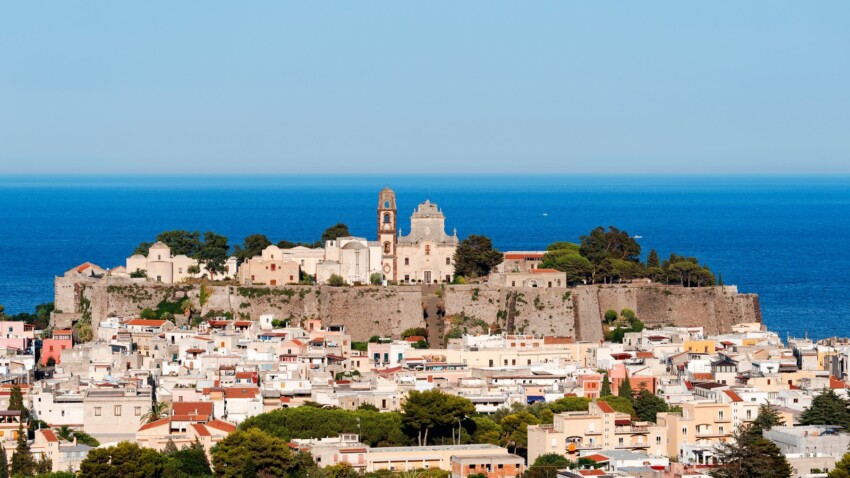
Lipari is the largest of the Aeolian archipelago’s islands and its main centre, Lipari Town, boasts several sites of interest. If you’re seeking breathtaking views and beautiful beaches, you won’t need to venture far.
The Castle structure will greet you as soon as you land on the island: the mighty 16th-century walls enclose the fortress built on a small headland between the ports of Marina Lunga and Marina Corta. The citadel area, inhabited since 4000 BC, houses the Aeolian Archaeological Museum, divided into three sections.
The town centre, with its relaxed atmosphere and charming craft shops, restaurants and bars, is a must-visit. San Bartolomeo Cathedral is the most important religious building on the entire island: built in the 16th century, it boasts wonderfully frescoed interiors with floral motifs. The Archaeological Park is located opposite the Cathedral and includes the ruins of a number of huts dating back to the 17th century BC and some Greek sarcophagi. A little further on you’ll find the magnificent Norman Cloister.
A boat tour around the island is one of the must-do excursions on Lipari. The beautiful coastlines, interspersed with beaches and caves, and the sheer cliffs plunging into the sea will leave you breathless.
Lipari has several fine beaches: Canneto, with dark sand and pebbles, takes its name from the well-maintained resort village behind it, Spiaggia Bianca, famous for its pumice powder, Valle Muria Beach and Praia di Vinci beach.
Stunning views can be enjoyed from the top of Monte Sant’Angelo and Quattrocchi.
The main centre of Lipari island and the Aeolian archipelago is Lipari Town.
The town sits in the middle of a wide bay along the island’s eastern coast and is dominated by Rocca del Castello, a fortified citadel built in 1080 by the Normans in a strategic position 50 metres above sea level and ringed by mighty walls built by the Spanish in 1560. Inside the Rocca you’ll find a 4th-century BC Greek tower, a reminder of the Greek acropolis, and 5 churches including the San Bartolomeo cathedral at the centre of the plateau.
The charming Marina Corta square, the island’s meeting place, is flanked by excellent bars and restaurants just steps from the sea, whilst the main promenade is Corso Vittorio Emanuele.
Inside the Palazzo dei Vescovi and other town buildings is the Aeolian Archaeological Museum, an exhibition showcasing items of great interest with finds recovered from both Lipari and the other islands of the archipelago. At the end of the citadel, on the right, you’ll find the Archaeological Park where you can see numerous ancient sarcophagi.
From Marina Corta port, used by hydrofoils and small boats, you can embark on a boat tour of the island and reach Spiaggia Bianca and Praia di Vinci Beach. Marina Lunga port is used only by ferries.
The village and Canneto Beach are located along the island’s eastern coast, 3 kilometres north of Lipari Town, just after Monte Rosa.
Canneto is among Lipari’s most developed beach resorts and boasts a lovely seafront, Marina Garibaldi, lined with shops and restaurants.
Canneto Beach, composed of dark sand mixed with pebbles, is set in a striking bay and is divided into two sections: Unci in the southern part and Calandra in the northern part.
Narrow and around 2 kilometres long, the beach is partly equipped with sun loungers and parasols and has a small jetty from where boats depart for excursions to the other islands of the archipelago.
The Quattrocchi viewpoint is one of Lipari’s most beautiful and panoramic spots and offers splendid views of the rock stacks of Pietra Lunga and Pietra Menalda, Valle Muria bay, Punta Perciato and the nearby island of Vulcano with its smoking plumes.
The magnificent Quattrocchi panorama is located 3.5 kilometres west of Lipari Town and can be easily reached by following the road leading to the small hamlet of Pianoconte, the beautiful Valle Muria Beach and the San Calogero thermal springs site.
The best time to visit Quattrocchi is late afternoon, at sunset, when everything is tinged with fiery red hues.
In the following map you can see the location of the main places of interest mentioned in this article.
The majority of accommodation is concentrated in Lipari Town, however you’ll find options throughout the island, such as the nearby Canneto or Acquacalda in the north. If you’re seeking greater peace and quiet, book a room or apartment on the island’s western side, between Quattropani and Pianoconte
What's the weather at Lipari? Below are the temperatures and the weather forecast at Lipari for the next few days.
Lipari is the largest of the Aeolian Islands and sits at the heart of the archipelago, making it the easiest base for getting around and taking day trips to the more distant islands.
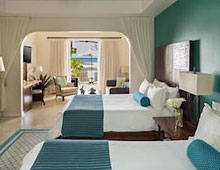 Hotel
Hotel 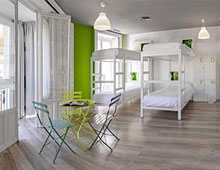 Budget accommodations
 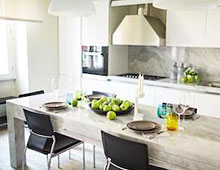 Apartments
  Family Hotel
 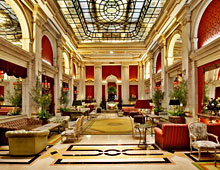 Luxury Hotel
  Resorts