La Giara
Vulcano - VIA PROVINCIALE,18
Book now
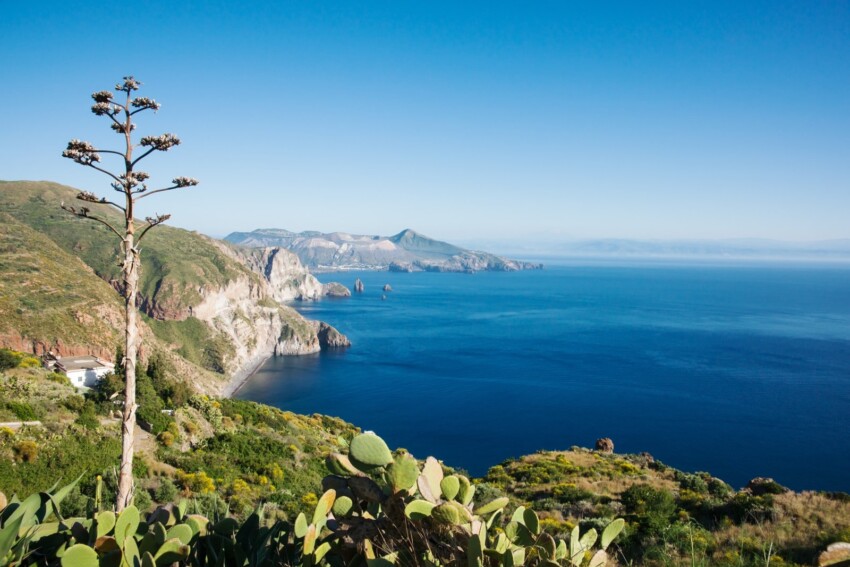
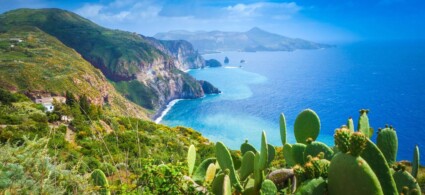
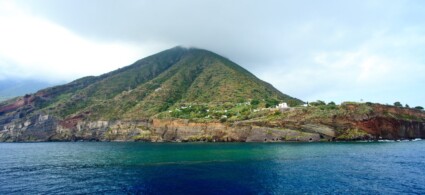
Splendid coves, picturesque sea stacks and secluded beaches make Vulcano one of the most beloved islands in the Mediterranean. The volcanoes that make up the island, the third largest in the Aeolian archipelago, number four: the most recognisable are Fossa, crowned by plumes of white smoke rising along the northeastern coast, and Vulcanello, a small peninsula covered in vegetation in the northern part of the island.
The village of Vulcano sits very close to the crater and is a lively and vibrant place, frequented by fashionable tourists.
Among the main attractions are the thermal mud pools, the Black Sands beach in the natural harbour of Ponente, from where you can admire stunning sunsets over the island of Filicudi, and Gelso beach. The Levante harbour beach is also hugely popular, located near the mud pools and the stretch of sea with thermal waters.
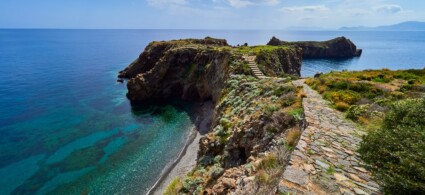
Vulcano boasts a unique landscape and offers spectacular walks. If you enjoy hiking, head to Capo Grillo in the north, where you can enjoy magnificent views of the neighbouring islands, or reach the Fossa della Fucina at the volcano’s summit, where you’ll feel as though you’ve stepped onto a lunar landscape.
For those who enjoy boat trips, don’t miss the Grotta del Cavallo with its extraordinary displays of light and colour, and for divers, the Sirenetta Wall, which allows you to descend along the slopes of an active volcanic cone, Capo Grosso with its bizarre rock formations, and the Quaglietto skerry, one of the archipelago’s most beloved destinations for divers.
Numerous ferries and hydrofoils serve Vulcano during the summer season and throughout the year. The island is well connected to the ports of Milazzo, Palermo, Naples, Messina and Reggio Calabria thanks to the shipping companies Siremar, Ustica Lines, Ngi and Snav.
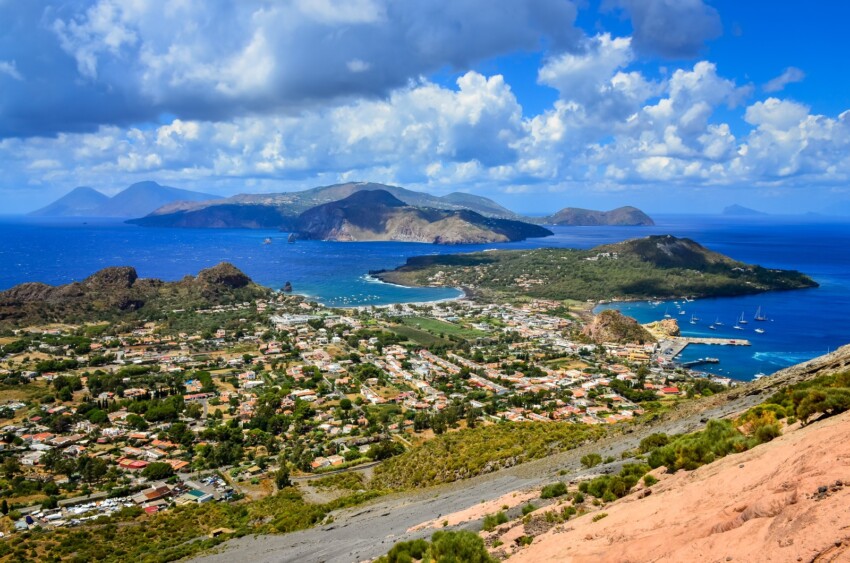
The wonderful island of Vulcano is famous for its breathtaking views, the mud pools and its beaches of exceptionally fine black sand that glisten in the sun.
For a great start to your holiday, opt for a boat tour around the island. Boats depart from Levante harbour, known for its thermal springs and fumaroles, pass by the Vulcanello peninsula through the narrow channel separating the island from Lipari, and reach the spectacular Grotta del Cavallo1, also known as the Hermit’s Cave, before continuing to the Gelso Lighthouse and returning to port. The Grotta del Cavallo contains galleries, small lakes, and distinctive stalactites and stalagmites within.
The most famous beaches of Vulcano are Black Sands, in Ponente harbour, Venus Pools, Capo Testa Grossa and Gelso beach. Also worth noting are Cala del Formaggio, Mastro Minico beach, Asino beach, Cannitello beach and Cala Rossa.
From the residential village of Lentia, perched on sheer cliffs overlooking the sea along the western coast, 3 kilometres from Vulcano Port, you can enjoy a stunning panorama of the archipelago’s islands.
Hiking enthusiasts can climb the volcanic crater of Fossa in about an hour, following a path from the port that leads to 400 metres above sea level, or explore the Valley of the Monsters at Vulcanello where volcanic rocks have twisted and eerie shapes.
Vulcano is famous for its open-air thermal springs, the Mud Pools (unfortunately closed since 2020), located to the right of Levante harbour, which attract thousands of visitors every year.
The thermal baths consist of a large mud pool, the warm sea, where waters reach high temperatures, and are surrounded by small sulphurous hills from which hot steam vents emerge, the fumaroles, with temperatures ranging between 40°C and 80°C.
The pools are continuously fed by countless springs of clayey mud with extremely high sulphur content.
The therapeutic benefits of the 3 areas of Vulcano’s Mud Pools include treatment of respiratory diseases and joint affections, degenerative and inflammatory arthropathies, and regenerative effects for facial and body skin.
Surrounded by a natural amphitheatre of rock, the Venus Pool, together with the adjoining Grotta del Cavallo, create one of the most enchanting scenes on the island of Vulcano.
The Venus Pool, also known as Virgins’ Bath, is located along the western coast of the island. This paradise has shallow waters thanks to the action of tufa and basalt rocks and, in addition to being crystal clear, boasts splendid turquoise hues.
Numerous boats depart from the beaches of Ponente bay heading to this enchanting natural amphitheatre.
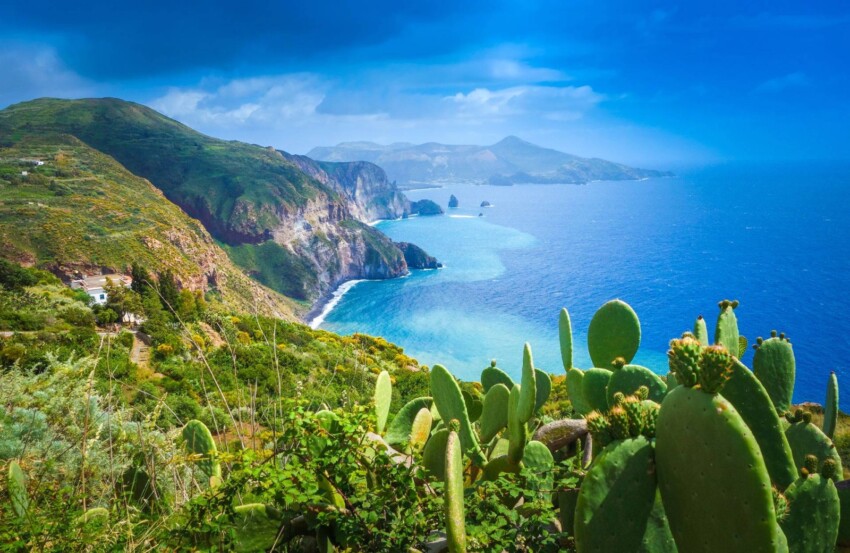
The island of Vulcano is a gem of rare beauty and boasts famous and dramatic black sand beaches, thermal mud and evocative fumaroles.
The island’s most famous beach is Black Sands, a strikingly beautiful stretch of sand in Porto Ponente bay that takes its name from the dark and exceptionally fine sand of volcanic origin that glimmers in the sun. The Fumaroles beach is bathed by waters heated by sulphurous steam that bubbles in many places due to underwater springs.
Also beautiful is the secluded Gelso Beach4, from which you can see Mount Etna, Asino beach, accessible by a steep descent on foot or by taxi boat and particularly lively as the sun sets.
Accessible by boat are Cala Formaggio and Praia Longa.
The exclusive and dramatic beach of Black Sands in Vulcano is arguably the most beautiful beach in the Aeolian Islands and is located in Ponente bay, along the western coast of the island, just a stone’s throw from the town centre and the Mud Pools in Levante bay.
The exceptionally fine, black sand glimmers in the sun’s rays. Frequented by figures from the international jet set and the sporting world, Black Sands stretches along an extraordinary coast of almost disarming beauty, characterised by steep slopes and deeply indented cliffs.
The beach, partly equipped with facilities, is one of the best places to admire the stunning fiery sunsets over the island of Filicudi.
Nearby are the pebble beaches of Cala del Formaggio6 and Cala di Mastro Minico, separated by lava promontories extending into the sea, and the Vulcanello peninsula with the grotesque rocks of the Valley of the Monsters.
In the following map you can see the location of the main places of interest mentioned in this article.
Most accommodation is located in Vulcano Port, the island’s main resort; choose the Vulcanello peninsula for a more picturesque setting, or the villages of Vulcano Piano and Gelso if you’re seeking a quieter atmosphere.
Vulcano is the closest of the Aeolian Islands to the Sicilian coast and is separated from the island of Lipari by a narrow channel, barely more than a mile wide.

 Hotel
Hotel  Budget accommodations
  Apartments
  Family Hotel
  Luxury Hotel
  Resorts