Hotel Al Faro
Licata - Via Dogana 6
Located next to Licata’s Lighthouse, Al Faro features a terrace overlooking Licata Port and the Mediterranean Sea.
Book now
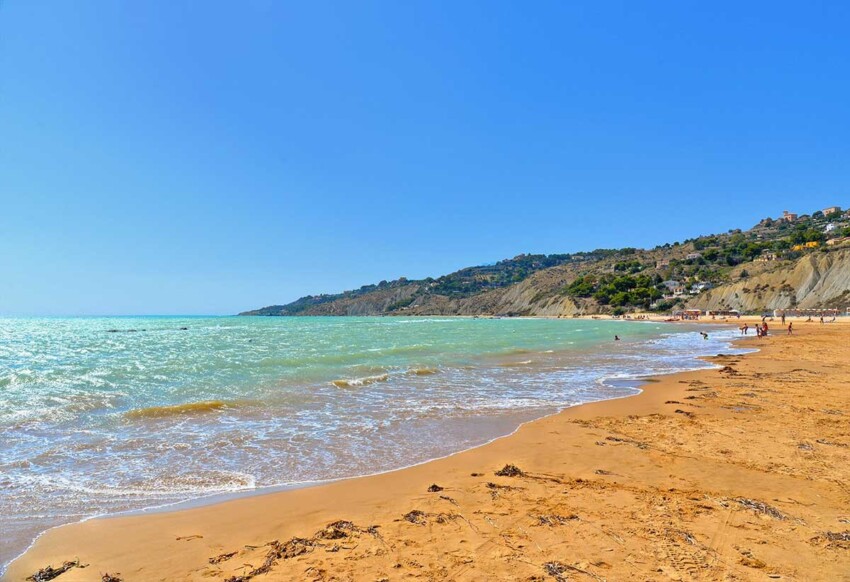
Along Sicily’s western coast lies the charming town of Licata, which has long attracted visitors thanks to its 25 km of coastline that is home to picturesque beaches and unspoilt bays. The town has ancient origins but first developed during Phoenician rule, then flourished under the Romans, who transformed it into an important commercial centre.
In the 9th century AD, Licata was conquered by Muslims who governed it for over two centuries until the Normans arrived in 1086. The town was first granted the title “Dilectissima” by King Frederick II, and later “Fidelissima” by King Alfonso I. In the 16th century, Licata was plundered by Turkish forces who, unfortunately, destroyed it almost completely.
Its historic centre, thanks to the coexistence of various styles and influences, tells the story of the different cultures that have dominated here. From Romans to Byzantines, from Arabs to Spanish rulers, each civilisation has left its mark on Licata. The town also boasts diverse landscapes, from golden sandy beaches to green hills where you’ll find numerous Art Nouveau buildings. With its historical, architectural and natural heritage, Licata emerges as a destination for a journey combining relaxation, culture and nature.
Licata’s coastline is considered one of the most beautiful in the whole island, thanks to its beaches bathed by clear and crystalline waters and the presence of small unspoilt coves. The Playa di Licata1 is the town’s most famous and popular beach, located right next to the town centre and stretching for approximately 4 km. Characterised by soft sandy shores, Playa is home to several equipped beach clubs and facilities that make it a highly sought-after destination for families with children.
West of the town port, not far from the centre, you’ll find Marianello Beach2 which features soft sandy shores and crystal-clear waters with gently sloping seabeds. This stretch of coast is easily accessible by car and offers both free beach areas and equipped zones with all amenities.
Two other particularly lovely beaches are Mollarella Bay and Poliscia Beach. The Mollarella Bay3 is a sandy shoreline nestled between two rocky promontories that shelter it from the wind. The beach features both free areas and zones with beach facilities, whilst the sea waters are remarkably clear with gradually sloping seabeds. The beach is about 5 km from Licata’s town centre and can be reached by car or bus service. Mollarella is also famous as the site of the Allied forces’ landing during the Second World War.
Poliscia Beach4, on the other hand, takes its name from the nearby Mount Poliscia and is a peaceful sandy beach set between cliffs with crystal-clear waters and gently sloping seabeds. Ideal for families with children, Poliscia Beach is easily accessible by car and features equipped areas with beach facilities as well as free beach sections.
Numerous other beaches line Licata’s coast west of the fishing port: Nicolizia Colonne, Torre di San Nicola, Carrubella-Pisciotto, Foce Gallina and Torre di Gaffe. East of the port, you’ll find Poggio di Guardia, Due Rocche and Falconara beaches. Falconara’s shoreline, in particular, is a sandy beach framed by two promontories and overlooked by a charming 14th-century castle.
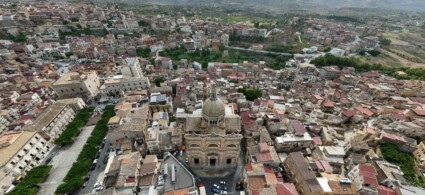
Licata’s historic centre can be easily explored on foot and is a genuine open-air museum housing Baroque churches, Art Nouveau palaces and archaeological finds of great significance. The town’s symbol is Castel Sant'Angelo5, a fortress built by the Bourbons in the 17th century on a hill about 150 metres above sea level. Today the castle houses the town’s Ethnological Museum.
The heart of Licata is Piazza Progresso6 where the Town Hall is located, built in Art Nouveau style by architect Ernesto Basile on the site of the former Church of the Holy Trinity (dating from the 17th century). In the historic centre you’ll also find Palazzo Bosio7 and Palazzo Frangipane8, two buildings constructed in opulent Baroque style.
The town is also home to important religious buildings such as the patron church of Sant’Angelo, where the saint’s remains are kept, the Cathedral of Santa Maria la Nuova and the Church of Sant’Agostino. In particular, the Cathedral of Santa Maria La Nuova9 dates from the Renaissance period and houses a remarkable 15th-century wooden Crucifix inside. This work is also known as the “Black Christ” because it is said to have been set alight by Turkish forces during the invasion, yet the crucifix emerged from the flames unscathed and took on a blackened colour due to the smoke.
Finally, it’s worth noting that around Licata, on the Monserrato hill, you’ll find stunning Art Nouveau villas worth visiting, such as Villa Sapio Rumbolo, Villa Urso, Villa Lumia, Villa Giuliana and Villa Verderame.
In the following map you can see the location of the main places of interest mentioned in this article.
Licata is a seaside resort highly favoured by families with children for its beautiful beaches and facilities, as well as by young people seeking sea and entertainment. The historic centre has numerous restaurants serving excellent local cuisine, whilst the lighthouse and port area features various establishments and beach clubs where you can enjoy nights of entertainment.
However, many night-life enthusiasts prefer to head to Agrigento where you’ll find numerous clubs, discos, pubs and venues for entertainment late into the night, and where the nightlife scene is much more lively.
Thanks to its location and facilities, Licata is the ideal destination not only for a seaside holiday but also for a more cultural stay. From Licata, you can reach both the Valley of the Temples in Agrigento and the charming town of Gela with about an hour’s drive. Those wishing to spend a stay immersed in natural surroundings can choose one of the facilities located in the hills surrounding Licata, from where you can often enjoy magnificent views.
Given the wide range of options the town offers, whatever type of holiday you choose, we recommend booking your accommodation well in advance to avoid finding everything fully booked and to ensure you find lodging that best suits your needs.
Equipped with all comforts and services, Licata’s hotels are the ideal place to spend a stay in complete relaxation, with both full board and half board options available.
Those coming to Licata for the beaches can choose one of the hotels or holiday villages located right on the seafront offering easy beach access. Some of these facilities even have a private equipped beach with sunbeds and umbrellas.
Those seeking a more peaceful stay surrounded by nature can book one of the numerous B&Bs scattered throughout the hills surrounding the town.
If you’re planning to stay in Licata for extended or shorter periods or prefer not to stay in a hotel, you might consider renting an apartment or holiday home. These options not only offer better value for money compared to hotels but also provide greater privacy and more spacious accommodation than a hotel room. Apartments and houses also come with kitchen facilities, allowing you greater flexibility and independence in managing and preparing meals.
If you’re driving to Licata by car from Catania, you can take the SS417 and SS117bis towards Gela, then take the SP83 followed by the SS115 towards Licata. If you’re coming from Palermo or Trapani, you can take the A19 towards Catania until the Caltanissetta exit; from there, take the SS.626 followed by the SS115 towards Licata/Agrigento.
The town also has a railway station with connections to towns such as Modica, Ragusa, Comiso, Gela and Caltanissetta. The nearest airport to Licata is the “Pio La Torre” terminal in Comiso, less than 80 km away and accessible via Autolinee Licata buses; Catania Fontanarossa airport, meanwhile, is about 125 km away, and whilst more distant, many choose it as it not only has more flights but is also better connected by public transport.
Finally, those wishing to reach the town by coach can use Autolinee Licata services, which connect the town to many locations such as Agrigento, Gela and Palermo airport. Alternatively, you can take Interbus services, which connect Licata to many towns in southeastern Sicily.
What's the weather at Licata? Below are the temperatures and the weather forecast at Licata for the next few days.
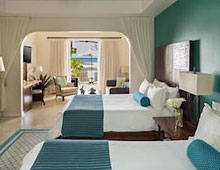 Hotel
Hotel 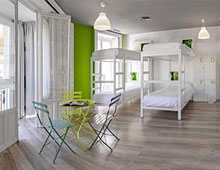 Budget accommodations
 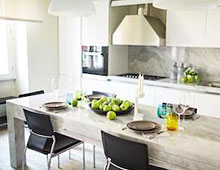 Apartments
  Family Hotel
 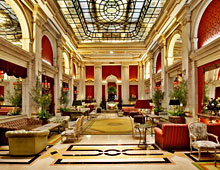 Luxury Hotel
  Resorts