Hotel Costazzurra Museum & Spa
San Leone - Via delle Viole 2
Set 3 km from the Valley of the Temples, Hotel Costazzurra features a museum with a private collection of earthenware from Magna Grecia, ancient Egypt and Rome.
Book now
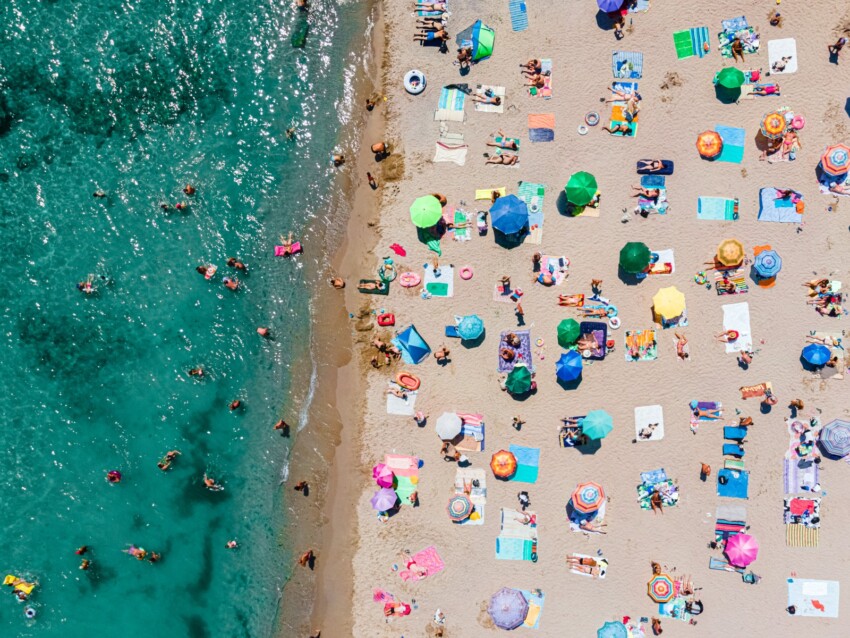
San Leone is not a municipality in its own right but rather the most celebrated beach resort of the city of Agrigento, renowned for its stunning beaches and crystal-clear waters that draw countless visitors during the summer season. Given its location, this area has been frequented since ancient times – the Mycenaeans are known to have used this settlement as a trading port for goods such as sulphur and rock salt. After them, the Greeks from Gela established a commercial harbour here, which remained active throughout the Roman period as well.
During the Middle Ages, monks arrived in the area, but gradually the local port fell into disuse in favour of Porto Empedocle, which was considered safer and better suited for ships of that era. It was during those years, however, that the small village took the name San Leone in honour of Pope Leo II (611-683), to whom a church dedicated to San Leone was also built around the 13th century. From the 15th century onwards, the village fell victim to numerous pirate attacks, and as a result, a watchtower was constructed based on designs by Tiburzio Spannocchi, a renowned Italian architect and engineer of the time. Situated in a strategic location along the coast, this tower still stands today but has been converted into a tourist facility.
In the 18th century, Bishop Lorenzo Gioeni (1730-1754) decided to build a summer retreat for young people (known as Villa Gioenina) near Maddalusa beach, and from there San Leone’s tourism appeal began to develop gradually. However, it was from the 20th century onwards that it truly became a highly sought-after seaside destination, thanks in part to the construction of accommodation facilities and the expansion of tourist services. Today, San Leone is known for its sandy beaches, authentic traditions and warm hospitality.
San Leone is a district of the city of Agrigento, whose historic centre does not lie directly on the seafront, but its coastline is just a short distance away and easily accessible by car or public transport. The area’s coast is characterised by sandy beaches stretching for kilometres, where equipped beaches – generally popular with those seeking facilities and entertainment – alternate with free beaches perfect for those wanting a more relaxed experience. The most famous is San Leone beach, which extends for kilometres along the coast and is a sandy beach equipped with lidos, volleyball and tennis courts, children’s play areas and much more. Added to this is the presence of numerous bars and restaurants, as well as venues that organise beach aperitivos and evening parties – much appreciated by those who enjoy nightlife entertainment.
Another lovely resort is Maddalusa beach, which boasts fine golden sand and crystal-clear waters with sandy seabeds that slope gently. It is particularly popular with families with children thanks to the facilities on offer and easy accessibility, as well as restaurants serving local cuisine. From San Leone’s small harbour, moreover, boat excursions and boat tours depart to explore the Agrigento coastline, where you’ll find bays and coves not always reachable by land. Finally, it’s worth noting that nearby, in the Realmonte locality, stands the famous Scala dei Turchi beach, a beautiful stretch of sand but also quite crowded; those preferring a quieter beach can head to nearby Capo Rosso, also known as Capo Rossello.
San Leone offers various accommodation options, including large hotels, welcoming bed and breakfasts or holiday homes, all providing easy access to the beach and breathtaking sea views. Alternatively, you might consider staying in the beautiful historic centre of Agrigento, an area rich in charm and offering restaurants and bars where you can enjoy pleasant evenings.
In San Leone you’ll find hotels, bed and breakfasts and resorts that allow you to spend holidays focused on relaxation and comfort thanks to their wide range of facilities. B&Bs are the most characterful options, often run by welcoming and hospitable local owners, and are ideal for those seeking a peaceful stay. Alongside these, San Leone also offers hotels and resorts providing solutions to suit all budgets, ranging from those set in verdant surroundings to beachfront properties, some of which even boast a pool or private beach.
Those preferring a quieter atmosphere might opt for residential areas where you’ll find apartments and holiday homes offering more spacious accommodation and the chance to experience daily life in the locality. A house or apartment is ideal for those wanting a stay centred on independence, as they allow greater freedom with timings, more privacy and the opportunity to prepare your own meals.
Moreover, this type of solution can be genuinely convenient for those choosing to stay here for medium to long periods, as a budget might be lower compared to a hotel.
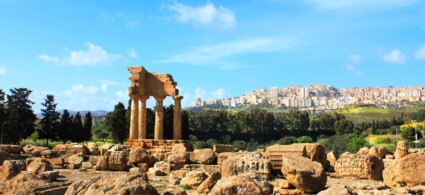
San Leone is famous for its splendid coastline rather than for historic attractions, though there are some sites of interest worth visiting. On the Montelusa hill in the Forgia district, the Torre di Santo Lio was built as a defence against attacks by Saracen pirates. Erected in 1578 based on designs by military engineer Tiburzio Spannocchi, the tower still stands today and has been converted, together with the adjacent farmhouse, into a tourist and accommodation facility. Less than 4 km from San Leone lies the Archaeological Park of Agrigento’s Valley of the Temples, an unmissable stop allowing you to admire ancient temples and retrace centuries of ancient history. Close to this site is the beautiful Kolymbetra Garden, now managed by the FAI, which combines the wonders of a green space with those of an archaeological site.
Major attractions are of course found in central Agrigento, accessed through the medieval Porta di Ponte, formed by an arch later decorated with the Aragonese coat of arms; once through the gate, you reach Via Atenea, the main street of the city centre where you’ll find numerous restaurants, bars and shops. Another worthwhile stop in Agrigento is the House of Luigi Pirandello, the Agrigento-born writer and Nobel Prize winner who authored works such as “The Late Mattia Pascal” and “Six Characters in Search of an Author”. His residence has been converted into a museum displaying photographs, first editions of some of his works, newspaper articles, Pirandello’s personal items, and in the garden stands an urn containing the writer’s ashes.
Throughout the year, San Leone hosts patron saint festivals and activities that enliven the town’s social calendar, but it’s during summer that the resort truly comes alive with cultural events, concerts, shows and food festivals celebrating local gastronomy.
Moreover, for those seeking nightlife, San Leone offers a variety of venues and bars in the seafront area where beach parties or evenings with live DJs are often organised.
The best way to reach San Leone, which is part of Agrigento’s municipal territory, is undoubtedly by car. From Palermo you can drive along the SS189 and then the SS121 to reach San Leone in around two and a half hours; the coastal road SS115 connects San Leone to Agrigento and then to Sciacca and Licata, whilst from Enna, Catania or Caltanissetta you can take the SS640. The nearest airports are Trapani and Palermo, both around 170 km away and reachable by car in two to two and a half hours. San Leone is also connected to Agrigento via urban bus services numbers 2 and 3.
What's the weather at San Leone? Below are the temperatures and the weather forecast at San Leone for the next few days.
San Leone is a district of the municipality of Agrigento situated along Sicily's coast. This seaside resort lies less than 10 km from Agrigento town, 60 km from Caltanissetta and 160 km from Catania.
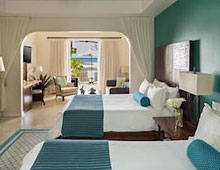 Hotel
Hotel 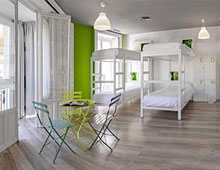 Budget accommodations
 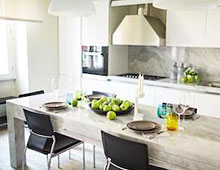 Apartments
 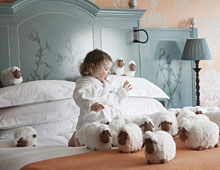 Family Hotel
  Luxury Hotel
  Resorts