Also known as The Pearl of Sicily, Acireale is a charming town boasting beautiful beaches where you can unwind, as well as a rich historical and architectural heritage.
Acireale is a gem on Sicily’s eastern coastline, steeped in fascinating history interwoven with ancient myths and legends that make this charming town a captivating place to explore. According to legend, Aci was a young shepherd hopelessly in love with the nymph Galatea, who returned his affection. However, their romance was thwarted by Polyphemus, a giant who lived on Mount Etna with the other Cyclopes. The giant, consumed by jealousy—for he too was besotted with the nymph—decided one day to kill young Aci by crushing him beneath a massive boulder of lava. Galatea wept bitterly, and the story goes that Zeus, moved by their tragedy, transformed the nymph’s tears into a small river (Ákis) that originates from Mount Etna and flows into a beach near Capo Mulini, the very place where the lovers used to meet. Legend has it that this tale gave rise to the name Acireale, as well as other nearby towns such as Aci Trezza, Aci Sant’Antonio and Aci Castello.
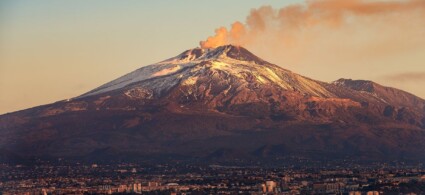
Beyond the mythology, Acireale’s location, fertile terrain and the warmth of its inhabitants have always made it a highly sought-after and vibrant place. Since Roman times, the numerous natural springs have been harnessed to create thermal spas that capitalised on the therapeutic properties of sulphurous waters flowing from Mount Etna. Moreover, the abundance of water led to the construction of mills and tanneries that long sustained the city’s economy. The prosperity and vitality of this territory, however, have frequently been undermined not only by successive waves of foreign rule but also by eruptions from Mount Etna, which have caused considerable damage and destruction.
For instance, the devastating earthquake of 1693 that struck eastern Sicily destroyed numerous towns in the area and claimed thousands of lives. Following this catastrophe, the city was rebuilt in the Baroque style, aided by a flourishing cultural renaissance in the nineteenth century that saw the construction of sumptuous palaces and elegant churches. In the years that followed, Acireale’s beaches began to gain popularity and attract increasing numbers of visitors, establishing it as a much-coveted seaside resort.
Within the town’s territory there are now a number of small fishing villages complete with harbours, including Capo Mulini, Santa Caterina, Santa Maria la Scala, Santa Tecla, Stazzo and Pozzillo. Thanks to the development of services and facilities in these areas, Acireale has become a well-known tourist destination. Visitors are captivated by its natural and artistic beauty, its rich history and the hospitality of its people.
Acireale Beaches
Acireale boasts a coastline scattered with small seaside villages and volcanic beaches that are ideal for spending days of sunshine, relaxation and fun. This stretch of coast lies along the so-called Riviera dei Ciclopi and is characterised by cliffs of lava origin bathed by intensely blue waters.
Among the principal beaches are Santa Tecla, famous for its black shingle shore, and Santa Maria La Scala, which is much frequented by diving enthusiasts. Moving towards the village of Capo Mulini, you’ll find the eponymous beach, one of the most popular among those who enjoy well-equipped beaches with facilities, as there are many beach clubs here as well as restaurants serving excellent fish dishes. In this area you can also find a small spring of reddish water called “Aci’s blood”, said to be the blood of the young shepherd who was killed. In reality, the reddish hue of these waters is due to the presence of iron oxides.
Finally, those seeking a beach with fine light sand can visit the Mulino Beach, which is surrounded by lush Mediterranean vegetation and washed by crystalline waters. It’s also worth noting that just a few kilometres from Acireale’s historic centre lies the Aci Trezza Marine Reserve, a true paradise for sea lovers, featuring numerous bays and pebble coves bathed in crystal-clear waters.
Where to Stay in Acireale
Those planning a trip to Acireale will find a wide range of accommodation options, from large beachfront resorts to bed and breakfasts, from historic centre hotels to apartments. The recommendation is to book well in advance, especially if you’re travelling during the busy summer season, to avoid finding everything booked up.
We offer best rates If you find it cheaper we refund the price difference.
Free cancellation Most properties allow cancellation without penalty.
We're available 24 hours a day For any problem call Booking.com.
Recommended Hotels in Acireale
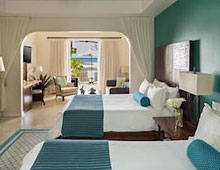
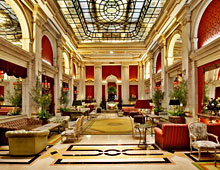
Those seeking a stay characterised by comfort and tranquillity can choose from numerous hotel facilities in Acireale that ensure a worry-free stay. For a more authentic experience, hotels in the heart of the historic centre offer immersion in the city’s rich history whilst providing easy access to the beaches.
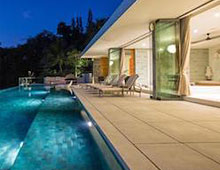
The town is also home to many bed and breakfasts, often run by local owners, offering welcoming rooms and meals prepared with local produce. Another option available is resorts located along the coast that often offer extra services such as panoramic pools, direct beach access and high-level comfort.
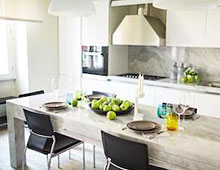
Apartments and holiday homes are another accommodation solution available in Acireale, suitable for those seeking a more flexible, informal and independent stay. These properties often have more affordable rates compared to hotels, particularly for those wishing to stay for longer periods. Moreover, the presence of a kitchen allows you to prepare your own meals and save money on dining costs. An apartment or house is also ideal for those seeking more spacious accommodation and greater privacy, and is therefore often chosen by families with children or groups of friends.
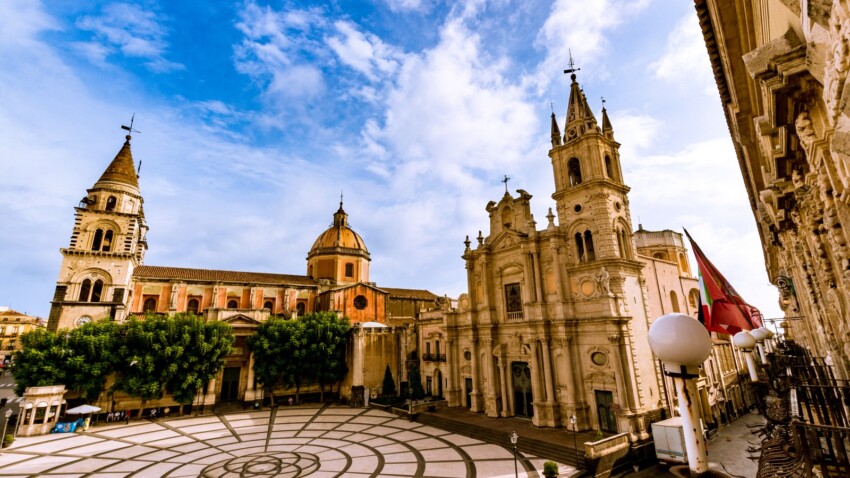
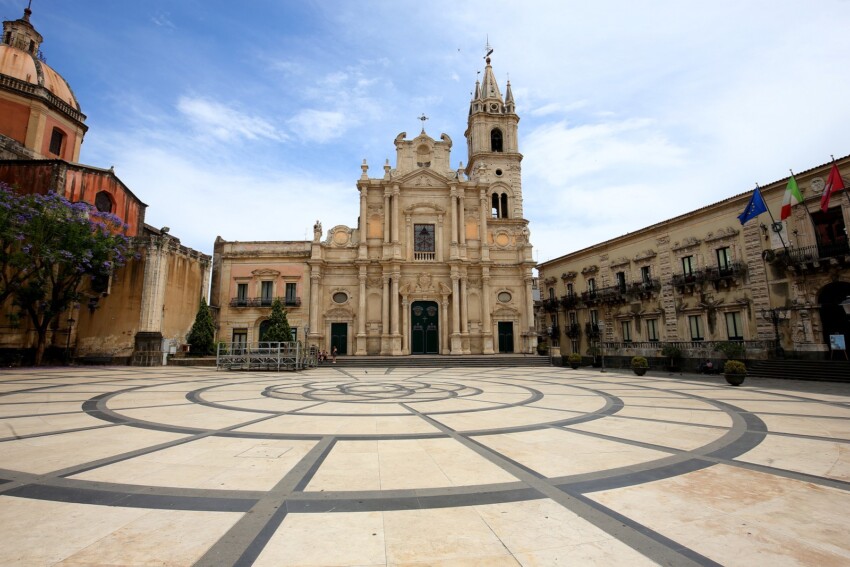
The historic centre of Acireale sits on the Timpa, a promontory approximately 80 metres high overlooking the coast, while the surrounding area is rich in crops, citrus groves and olive orchards. Also known as “The Pearl of Sicily”, this charming town is rooted in a past rich in history and culture, and boasts an important architectural heritage in the Baroque style. The heart of the city is Piazza del Duomo, where several of the most important buildings face onto the square, including the Cathedral Church, the Basilica of Saints Peter and Paul and the Town Hall.
The Cathedral, dedicated to Maria Santissima Annunziata, is a true Baroque masterpiece that captivates all visitors with its façade, realised in the nineteenth century by Palermitan architect Giovan Battista Basile (1825–1891) and elegantly decorated. The building features a Latin cross layout and houses three frescoed naves with works by Pietro Paolo Vasta, Antonio Filocamo, Giuseppe Sciuti and Giacinto Platania.
The Town Hall is another example of the area’s rich heritage, having been rebuilt following the earthquakes of 1693 and 1818, and now features a splendid façade with a large portal and decorative masks supporting the balconies. Another jewel of Sicilian architecture is the Bellini Theatre: its extraordinary acoustics and atmosphere create an unforgettable experience for all spectators.
Evening Entertainment in Acireale
Acireale is a town that becomes particularly lively and animated during summer evenings with the organisation of patron saint festivals, food festivals and performances. The city is especially renowned for its Carnival, one of Sicily’s most important, and also features a summer edition, called the “summer carnival“, which takes place on the first weekend in August. Other notable events include the feast of the Patron Saint, Santa Venera, held on 26 July, and the Nivarata, an international summer festival celebrating Sicilian granita.
How to Reach Acireale
The SS 114 state road is of fundamental importance for traffic along this stretch of Sicilian coast, as it connects the city of Catania with the various towns. From Catania, therefore, you can reach Acireale by car along the SS 114 Orientale Sicula in approximately half an hour, whilst from Messina the city is reached in ninety minutes, also via the SS 114. From Palermo, you can take the A19 motorway towards Catania and then follow the SS 114 to reach Acireale.
Acireale also has its own railway station on the Messina-Syracuse line and several bus connections with the main towns in the area thanks to the Azienda Siciliana Trasporti. Catania-Fontanarossa airport is approximately 22 km away and is the nearest airport.
Acireale Weather
What's the weather at Acireale? Below are the temperatures and the weather forecast at Acireale for the next few days.
Sunday 13
18°
29°
Monday 14
22°
30°
Tuesday 15
22°
26°
Wednesday 16
22°
25°
Thursday 17
23°
26°
Friday 18
24°
26°
Where is located Acireale
Located in eastern Sicily, on the southern slopes of Mount Etna, Acireale is a charming seaside destination that, thanks to its position, is frequently chosen as a base for exploring the surrounding attractions. The town is 20 km from Catania, 85 km from Syracuse and 230 km from Palermo.
 Hotel
Hotel  Budget accommodations
  Apartments
  Family Hotel
  Luxury Hotel
  Resorts