Hotel Pelaghea
Linosa - Via regina Elena Snc
Hotel Pelaghea in Linosa offers air-conditioned rooms with private bathrooms, balconies, and terraces.
Book now
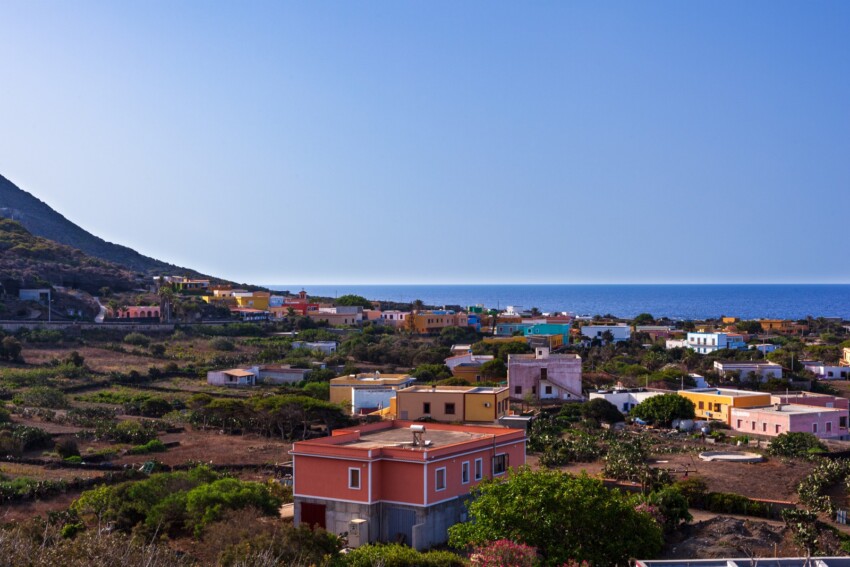
Small and remote, Linosa island is a slice of paradise in the Mediterranean. Thanks to the establishment of nature reserves covering much of its territory and surrounding waters, it has remained an unspoilt island with a wild character.
The crystal-clear sea crashes against steep cliffs of dark rock, creating a striking contrast with the colour of the water. The island’s only proper beach is visited each year not only by tourists but also by loggerhead turtles, which come here to lay their eggs. The island’s volcanoes have been inactive for over 2,500 years, but their conical shapes and extinct craters are clearly visible. Stretches of prickly pear cover entire valleys, which can be admired from the top of gentle hills.
With its green hiking trails and particularly striking underwater world, this small island in the Pelagian Islands will delight trekking and diving enthusiasts but is perfect for anyone seeking a week of pure relaxation.
In just 5 square kilometres you’ll find everything you need to be happy, and not just in summer: Linosa enjoys a mild climate that makes it ideal for a getaway at any time of year.
The island has just one significant settlement, named Linosa1, which spreads out near the harbour. It’s an attractive centre with characteristic colourful square-shaped houses, a few shops and restaurants.
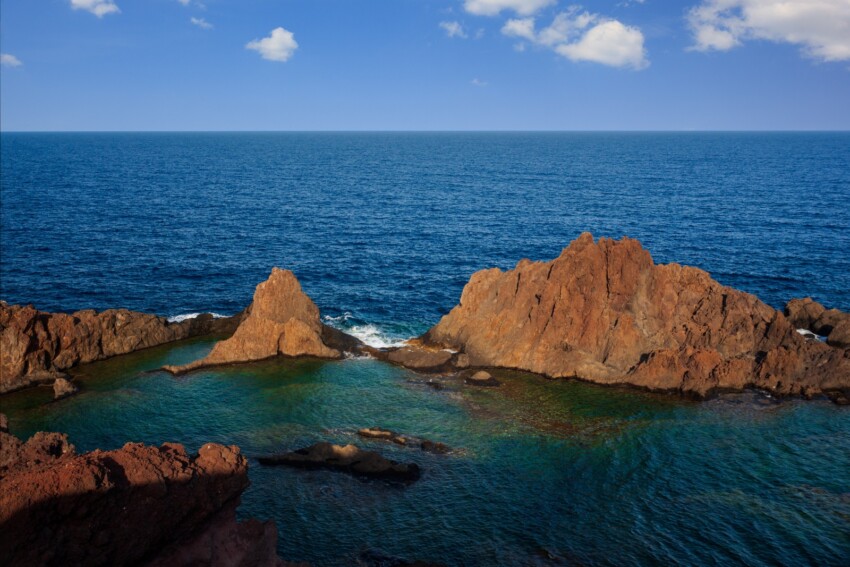
You don’t come to Linosa for museums and monuments: the island’s attractions are all natural. The most photographed is a group of rock spires emerging from the sea, known as the Faraglioni di Linosa2. The dark colour of the volcanic rock creates a dramatic contrast with the blue of the sea.
The island has three “peaks”: Monte Vulcano, Monte Rosso and Monte Nero. They’re mountains in name rather than stature: the highest, Monte Vulcano, doesn’t even reach 200 metres and can be reached on foot via an easy path suitable for everyone.
It’s a pleasant walk immersed in typical Mediterranean vegetation. From the mountain’s summit you’ll enjoy a wonderful view over the entire island and, if you’re lucky, you might spot a rare bird species.
The most famous beach on Linosa, and indeed the only sandy beach, is certainly Cala Pozzolana Di Ponente3, a dark sand beach at the foot of Monte Nero, nestled between high smooth rock walls that, when lit by the sun, take on striking ochre, rust or brown tones.
It’s a small, popular beach that’s generally peaceful and easily accessible from Linosa’s main settlement. What makes this beach unique is that it’s here, and nowhere else on the island, that loggerhead turtles come to lay their eggs.
Known as Piscine (also singular Piscina Naturale4) is a series of pools on the island’s north side formed by rocky outcrops right at the water’s edge: true natural pools where you can swim in calm, safe waters while enjoying the spectacle of waves crashing against the rock faces.
Other beaches not to miss on Linosa include Contrada Mannarazza beach, Punta Calcarella, Punta Beppe Tuccio and Cala Pozzolana di Levante (not to be confused with Cala Pozzolana di Ponente – they’re two beaches on opposite sides of the island).
The best way to explore Linosa’s coastline in search of the most beautiful beaches, which can only be reached by sea, is to take part in one of the numerous boat trips organised by local tourist operators.
In the following map you can see the location of the main places of interest mentioned in this article.
Linosa island is well known among diving enthusiasts for its seabed teeming with marine flora and fauna, striking underwater caves and the presence of several wrecks.
One of the most beautiful diving spots on Linosa, and arguably throughout the Mediterranean, is the Secchitella, a broad rocky ridge on the island’s south-eastern side, divided into two parts by a canyon: one side slopes gently, while the other drops vertically to -65 metres. It’s reached in just 15 minutes by boat.
Linosa island has several dive centres where you can hire the necessary equipment and book guided dives with experienced divers.
If you want to take a holiday on Linosa, it’s very important to book well in advance as finding accommodation on Linosa, whether budget or luxury, is quite difficult.
The island has few hotels and bed & breakfasts; there’s more choice if you opt for an apartment or holiday home, but even in this case availability is limited.
Almost all lodgings are located near the sea, so it’s possible to reach the beach on foot.
Given the limited accommodation availability on Linosa, an alternative is to stay on Lampedusa and organise a day trip to Linosa.
Linosa island has no airport, so the only way to reach it is by sea. The simplest way to get there is to catch a flight to the nearby island of Lampedusa and from there take a hydrofoil which will get you there in just one hour. However, there aren’t many budget flights available to Lampedusa.
Another option is to take a ferry or hydrofoil from Porto Empedocle, just a few kilometres from Agrigento. The hydrofoil journey takes three hours.
To get around the island you can hire scooters and bicycles. Only residents have permission to drive cars.
The island of Linosa belongs to the Pelagie archipelago; it lies 40 km north of Lampedusa, 170 km as the crow flies from Sicily's southern coast and 120 km from Malta.
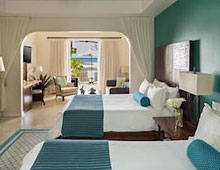 Hotel
Hotel 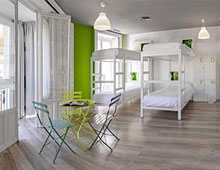 Budget accommodations
 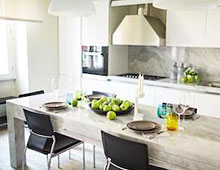 Apartments
  Family Hotel
 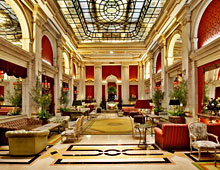 Luxury Hotel
  Resorts