Bestseller
Palermo: Street Food and History Walking Tour
From 49,00 €
Buy the ticket
Palermo’s markets are a genuine civic institution, places where tradition remains vibrant whilst the city simultaneously evolves with the times.
A legacy of Arab influence, Palermo’s markets resemble bustling bazaars more than conventional marketplaces, serving not merely as commercial spaces but as venues for social interaction, communication and exchange.
Open daily from morning through afternoon, with some extending into the evening, the busiest markets draw hundreds of visitors each day.
A visit to at least one market during your Palermo holiday is essential—it’s the finest way to connect with the profound soul of this historically multicultural city.
Another compelling reason to explore Palermo’s markets is their status as the finest places to sample Palermo street food, widely considered among Italy’s most delicious offerings.
This street food provides an economical means of tasting local delicacies such as traditional focaccia with meusa or panelle, alongside innovative dishes brought by immigrant vendors—a modern trend that actually mirrors Palermo’s millennia-long history as a city perpetually open to influences from diverse cultures.
Ballarò, Vucciria and Il Capo rank among Palermo’s most celebrated markets, though Palermo has historically been divided into quarters, each with its own market.
A visit to Palermo’s historic markets is an experience that engages all five senses. There are naturally the fragrances, aromas and flavours of the merchandise on sale, which you can also touch to assess its quality.
Yet another defining element of the markets’ vitality lies in their sounds, most characteristically the vendors’ calls—their powerful voices and distinctive local accent cutting through the ambient noise to draw customers.
Beneath this runs the chatter of shoppers making purchases or exchanging words with friends and passersby; occasionally you’ll be startled by a motorbike weaving through the market’s narrow lanes.
Quarter: Albergheria, from Corso Tukory to Piazza Casa Professa
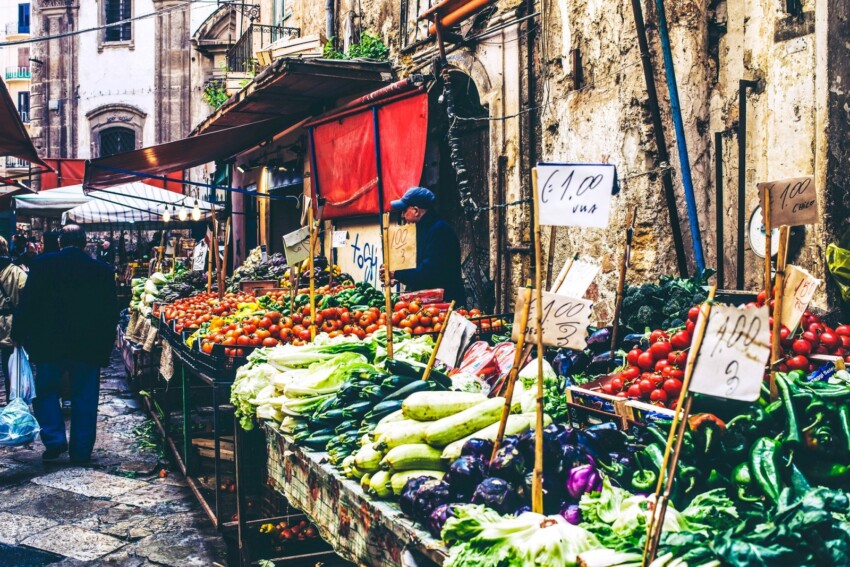
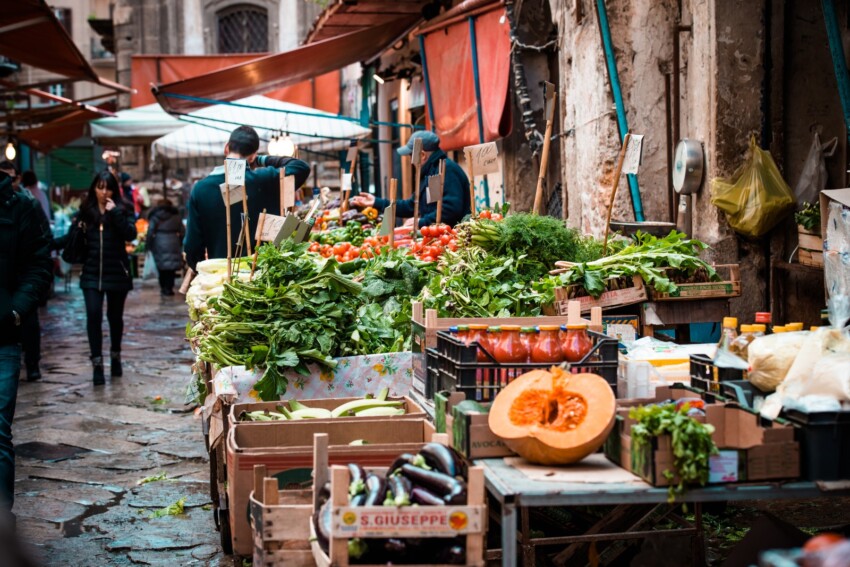
If time permits only one market visit, we recommend Ballarò, Palermo’s most famous historic market, beloved by locals and less frequented by tourists. Widely regarded as the quintessential popular market, this maze of narrow streets remains constantly animated and vibrant.
For many Palermitans, shopping at Ballarò is an indispensable ritual and a tradition passed from father to son—observe how they carefully select merchandise, negotiate prices, and seal their deals.
Ballarò is sometimes called the fish market, though whilst fresh fish undoubtedly dominates, you’ll also find meat, fruit, vegetables, cheeses, cured meats and even household goods and cleaning supplies.
Street food is certainly in abundance, a major draw of Palermo’s historic markets. Among the cooked foods you can eat at Ballarò market or take away, you’ll discover meat, fish and vegetables: typical specialities include boiled vegetables, roasted or boiled onions, panelle (chickpea flour fritters), cazzilli (potato croquettes), quarume (veal offal) and octopus.
According to written records, a market already existed in this location during the 10th century.
This ancient market apparently sold goods from India, and for this reason the Arabs named it Balhara, after a prince living in India at the time. Hence the origin of the name Ballarò.
Quarter: Vucciria, Piazza Caracciolo (also known as Piazza Vucciria) and surroundings
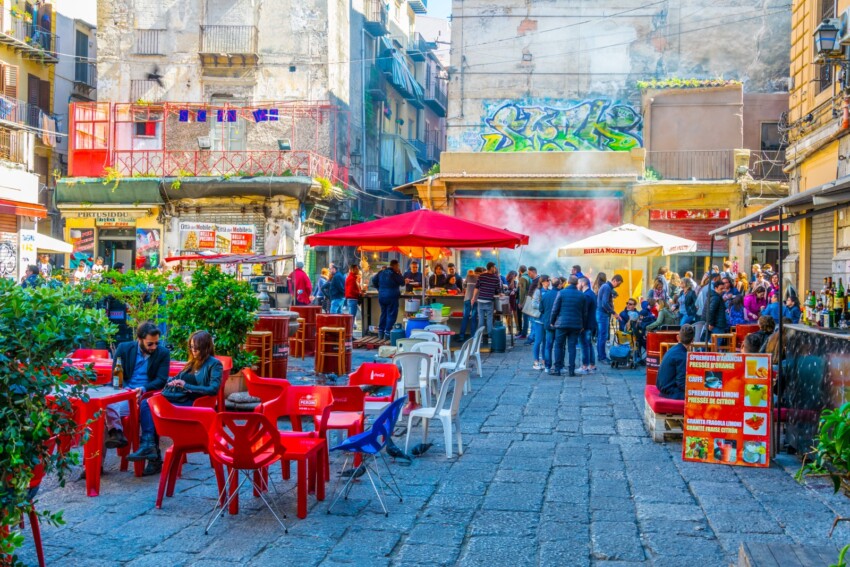
The Vucciria Market is among Palermo’s oldest markets and one that has most acutely felt the passage of time whilst successfully reinventing itself.
By day this market often appears surprisingly quiet, yet it remains pleasant to stroll through the intricate web of lanes around Piazza Caracciolo, the market’s heart, perhaps acquiring typical ingredients of Sicilian cuisine such as sardines, olives, tomatoes, lemons and aromatic herbs.
During your wandering through this historic open-air market, try to imagine it still thronged with crowds, abundant with merchandise and animated by the vendors’ deafening calls—precisely as immortalised in a celebrated 1974 painting by artist Renato Guttuso.
Return at sunset to witness this historic market come alive with people. Many of its traditional craftsmen’s shops have been converted into pubs and cafés, and Vucciria has become a popular gathering spot for young Palermitans, who meet here to organise their evenings over a drink.
Vucciria is renowned as a fish market, yet its name derives from bucceria, itself derived from the French term boucherie meaning butcher’s shop: this may stem from the fact that the public slaughterhouse was historically located here, or because meat was once the primary merchandise sold.
Quarter: Capo, from Porta Carini near the Law Courts and extending along Beati Paoli, Sant’Agostino and Cappuccinelle streets
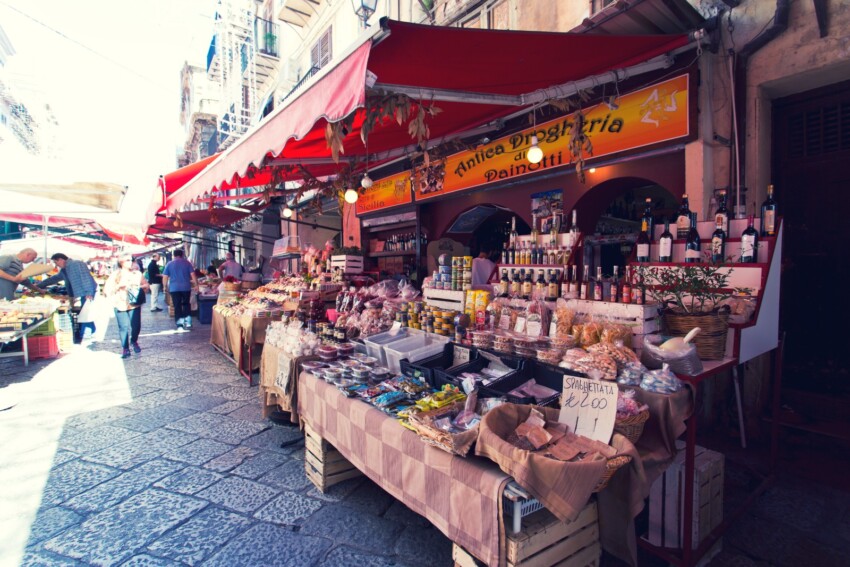
Located in a densely populated neighbourhood, Il Capo is, alongside Ballarò, Palermo’s busiest market. You enter via the monumental Porta Carini, pushing through crowds and squeezing into the narrow spaces between market stalls.
Il Capo is a genuine labyrinth of lanes and alleyways, where you can purchase meat, fish, vegetables and fruit sheltered from the scorching sun beneath characteristic coloured awnings.
From the market you can easily reach the magnificent Palermo Cathedral and other points of interest in the historic centre.
Ballarò, Vucciria and Il Capo are certainly Palermo’s most celebrated historic markets, though far from the only ones. The city once boasted numerous other commercial hubs, several of which remain active today.
Among Palermo’s still-active historic markets are:
In the following map you can see the location of the main places of interest mentioned in this article.
Don’t overlook smaller, less celebrated markets: neighbourhood markets may lack the charm or scale of historic markets, yet possess an intimate district atmosphere worth rediscovering.
These operate Monday to Sunday across various city zones depending on the day of the week, though rest assured you’ll find at least three different neighbourhood markets to choose from daily.
There are also farmers’ markets and organic markets where you can purchase produce directly from the farmers themselves. These take place weekly or monthly.
Join a guided tour: a local guide will escort you through Palermo’s must-see markets and reveal the most authentic spots to sample Palermo street food.
Learn some of the dialect used in Sicilian markets to immerse yourself in the vibrant atmosphere of these places. Below are some typical expressions:
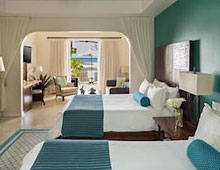 Hotel
Hotel 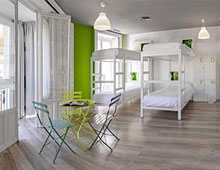 Budget accommodations
 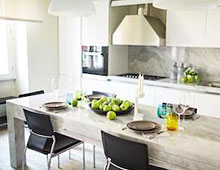 Apartments
  Family Hotel
 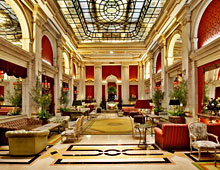 Luxury Hotel
  Resorts