Hotel Clelia
Ustica - Via Sindaco I° 29
Hotel Clelia in Ustica offers 3-star comfort with air-conditioning, private bathrooms, and soundproofed rooms.
Book now
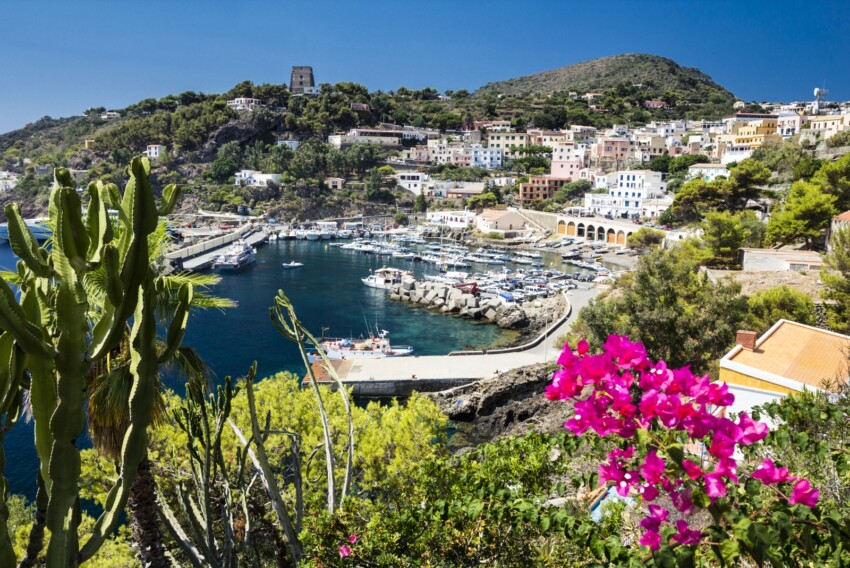
Surrounded by the cobalt blue waters of the Tyrrhenian Sea, less than 70 km from the Palermo coastline, lies the island of Ustica, considered a true Italian gem, brimming with natural beauty and an enchanting atmosphere. Despite its small size, this territory boasts a genuinely ancient history dating back to Mediterranean civilisations of the prehistoric era. Throughout various epochs, the island has been under different rulers, and from a Phoenician colony it became, during Bourbon rule, a place where political prisoners were sent and held.
During the Second World War, Ustica transformed from a place of confinement into a strategic military base for the Allies, who sought to liberate the country. In the Nineteen Sixties, following the abolition of political confinement, tourism began to develop, though the island later became sadly famous in June 1980 for the aviation disaster that occurred in the area, which resulted in the deaths of 81 people. Today, Ustica has left its troubled past behind and become a highly sought-after beach destination that captivates visitors with its pristine nature, crystal-clear waters and authentic charm.
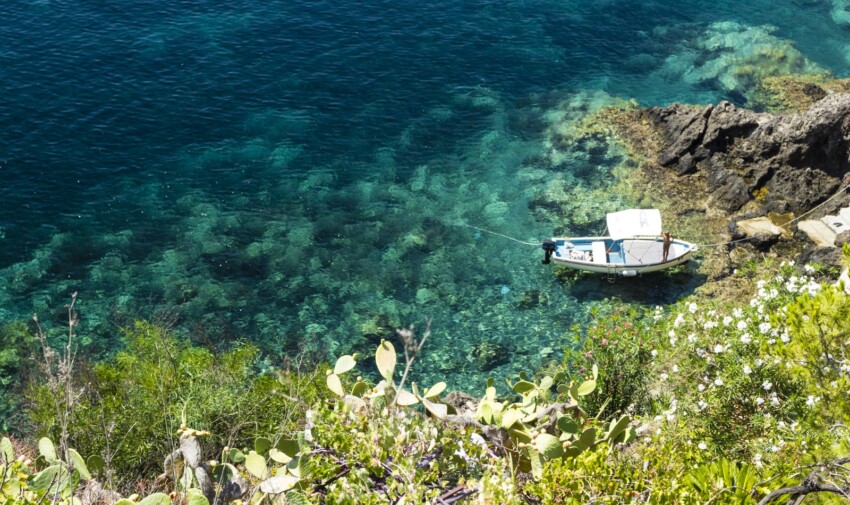
Ustica’s distinctive environmental and landscape value led to the creation of the Ustica Marine Reserve here in November 1986, which became Italy’s first protected marine area. Ustica is an island of volcanic origin that boasts numerous beaches and bays of sand and black pebbles bathed by crystalline waters. The seabed, moreover, is considered among the richest and clearest in the Mediterranean Sea and attracts many diving enthusiasts from abroad as well.
One particularly popular beach is the Faro beach, also known as Faro Solarium, located at the foot of the imposing Punta Cavazzi Lighthouse. The beach is partly free and partly equipped with facilities offering sunbeds and parasols situated on a concrete platform that also facilitates easy access to the water. For those who enjoy activities, it’s possible to go canoeing with traditional canoes or transparent-bottomed ones that allow you to admire the marine wonders.
All around the beach, tall cliffs create a truly evocative landscape and shelter small coves that are peaceful and secluded, with the Anfiteatro Cove being among the finest, boasting a crescent shape reminiscent of an amphitheatre. Beneath the Punta Cavazzi lighthouse lies what is known as the Natural Pool, a limpid expanse of water surrounded by high cliffs and connected to the sea via a narrow opening. To reach this area, you need to follow a somewhat winding path, but the effort is rewarded by the opportunity to swim in azure and clear waters sheltered from the waves.
In a very convenient location near Ustica’s harbour, meanwhile, you’ll find Cala di Santa Maria, a small sandy beach with limpid waters and gently sloping seabeds. Nearby is the Fishermen’s Village with restaurants, bars, shops and services that make the area much appreciated by families and all those who enjoy convenience and comfort.
Another beautiful beach is Cala Sidoti, a beach of black sand and pebbles washed by crystalline waters and home to numerous species of flora and fauna. An ideal location for exceptional snorkelling experiences, Cala Sidoti is much appreciated by families with children, and you can also enjoy activities with local guides who explain the main characteristics of this marine environment. Another small beach much favoured by snorkelling enthusiasts is Spalmatore Cove, located on the island’s western shoreline near Punta Spalmatore. This bay boasts a fascinating coastline combining sand with black pebbles and clear waters rich in marine life, offering a truly unique experience.
Finally, another tranquil and occasionally still wild beach is Cala di San Paolo, accessible on foot via a path through lush Mediterranean vegetation. The beach consists of black pebbles and is surrounded by rocks, so it’s advisable to wear water shoes. In this area you’ll also find the Grotta delle Barche (Boat Cave), known for its underwater wonders and much sought after by those wishing to snorkel and dive.
Another beautiful site on Ustica is the Blue Grotto, a natural jewel that, within its numerous rock formations, also houses another cave known as the Grotto of San Francesco. The setting is truly evocative, thanks to sunrays penetrating inside and creating suggestive interplays of light with the azure waters of the sea. The entire coastline of the island is dotted with various caverns and caves of different sizes and formations that can be explored via boat tours with expert guides.
Among other caves worth visiting (besides the already-mentioned Grotta delle Barche) is certainly the Green Grotto, so named for the emerald green colour of its waters; exploration continues with the Rosata Secret Grotto offering a truly magical atmosphere, and the Sireta Grotto, which impresses with its crystal-clear waters and rich seabeds.
Ustica island is not very large and accommodation options are limited, so if you wish to stay here during the peak season months, it’s advisable to book well in advance. It’s also recommended to find lodging in Ustica town centre, the village that lends its name to the island, so you’ll have all services at your disposal and can enjoy the lively evening atmosphere. Those seeking tranquillity might consider booking somewhere outside the centre and then getting around by bicycle or scooter.
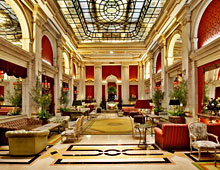
Ideal for those wishing to wake to the sound of waves, hotels in Ustica are the perfect solution for those seeking a stay focused on tranquillity and relaxation. Various hotel establishments of different standards and price ranges stand near the island’s harbour, offering panoramic views and numerous additional services such as swimming pools or bicycle rental facilities. A hotel is the right choice for those wanting to unwind from daily life and seeking a carefree stay with plenty of comforts.
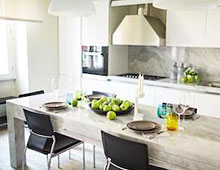
A way to fully experience island life, especially if you decide to stay for medium to long periods, is to rent a house or apartment. In summer, various apartments, houses or villas are available for rent for longer periods, offering not only significant budget savings but also greater freedom and flexibility. This type of accommodation provides more privacy, larger spaces and the possibility of preparing your own meals thanks to a kitchen and dining area.
Ustica island is particularly famous for its beaches but also preserves some sites of historical interest worth discovering. The heart of the island is the town of Ustica, which rises near the harbour, though there are also other small villages scattered across the island. In the centre of Ustica stands the Church of San Ferdinando, built in 1771 and long managed by the Capuchin friars, which houses ceramic statues created by Giovanni de Simone.
Among other sites to visit is certainly the Santa Maria Fortress, one of Ustica’s symbols, built in the eighteenth century to defend the island from Saracen raids. The structure was part of Sicily’s system of coastal towers and stands atop a small hill directly above the harbour. To learn more about the island’s history, a visit to Ustica’s Archaeological Museum is recommended, as it preserves finds and evidence of the main civilisations that dominated this territory. Finally, for a truly extraordinary sunset, it’s suggested you head to the Punta Cavazzi Lighthouse, situated on the island’s north-western tip.
Ustica’s nightlife is not as lively and vibrant as other more cosmopolitan Sicilian destinations, though there are still some bars and various events organised. The harbour area hosts restaurants, bars and shops where you can shop and comes alive considerably during summer evenings. In particular, Ustica’s summer is characterised by the “Island Festival”, an event celebrating this territory’s history and traditions with concerts, performances and tastings of local specialities.
Ustica is reached by ferry from the main cities on Sicily’s eastern coast. From Palermo, sea connections are frequent, especially in summer, and offer a pleasant crossing of approximately ninety minutes across the crystalline waters of the Tyrrhenian Sea. On some sailings, it’s possible to bring your own vehicle on board for an additional fee. During the summer months, connections to Ustica increase in frequency and are also available from Naples, Trapani and the island of Favignana.
What's the weather at Ustica? Below are the temperatures and the weather forecast at Ustica for the next few days.
Ustica is a small Sicilian island that rises from the Tyrrhenian Sea approximately 70 km from the coast of Palermo and 115 km from the island of Favignana.
 Hotel
Hotel  Budget accommodations
  Apartments
  Family Hotel
  Luxury Hotel
  Resorts