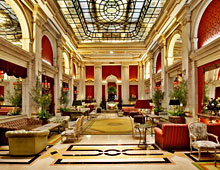
Mercure Palermo Centro
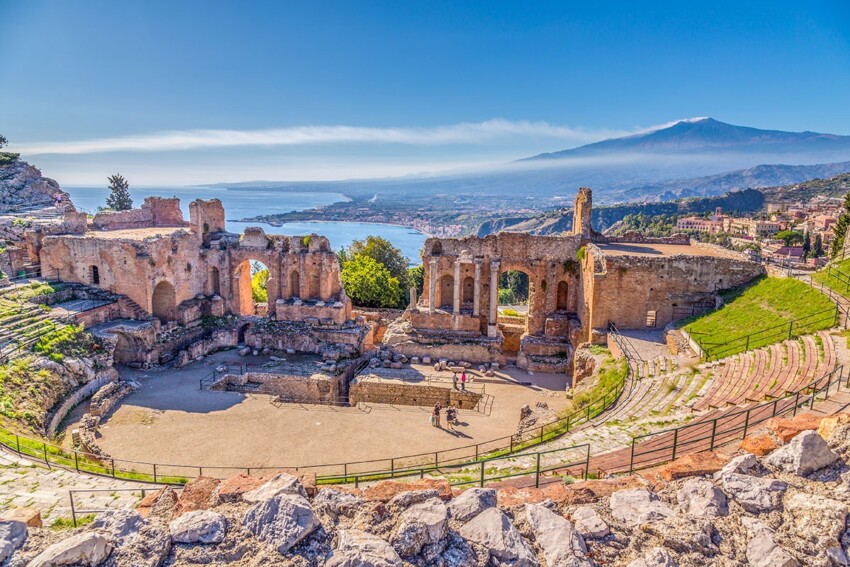
With a long and rich history and vast expanse, Sicily is an island that truly has so much to offer. While often chosen as a beach holiday destination, it boasts a variety of things to see that few other Italian or European regions (shall we venture to say anywhere in the world?) can match.
Sicily’s magnificent beaches need no introduction: their beauty and the clarity of the waters that lap their shores are well known; equally famous internationally are the temples of the Greco-Roman colonies, some well preserved, others less so, but always captivating.
A cultural holiday in Sicily doesn’t stop at ancient times: Sicily’s cities and villages are brimming with magnificent examples of Norman, medieval, Baroque and Rococo art and architecture.
Perhaps uniquely, Sicily is home to two of the world’s most active volcanoes, Stromboli and Etna, where it’s possible to undertake memorable trekking whilst admiring unusual lava landscapes… and in one case even ski! Numerous trekking opportunities and other outdoor activities such as mountain biking, climbing, and canyoning can be found in the inland mountains and nature reserves along the coast.
To help you choose what to see in Sicily, we’ve put together a list of the top 20 attractions. The lines below are packed with inspiration and suggestions: the next step is to book your flight, it just takes one click!
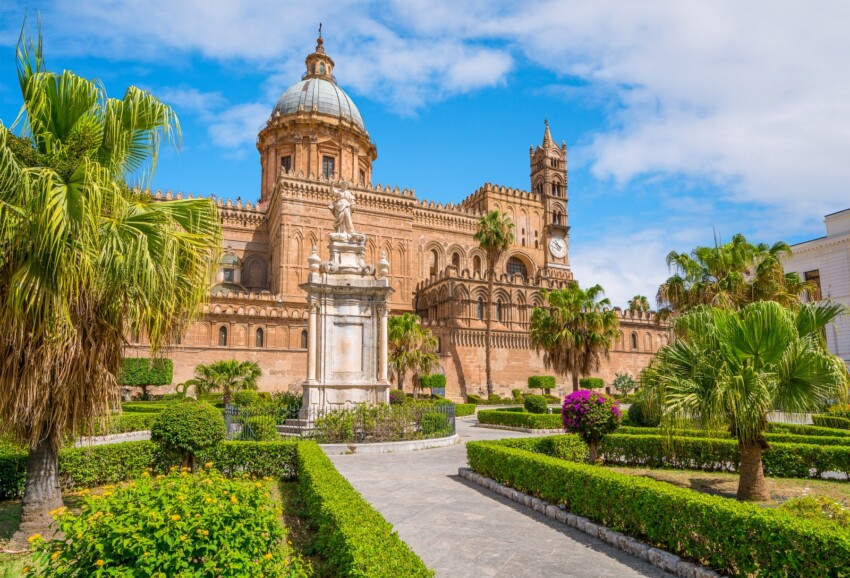
Flamboyant and vibrant, that’s Palermo: a city that combines in a unique mix the refined elegance of Baroque and Rococo buildings with the liveliness of neighbourhood markets and the delights of street food.
Perfect as a city break destination or as the starting point for a tour of Sicily, it’s a real feast for the senses: its sounds, colours and scents can overwhelm or enchant, but they never leave you indifferent.
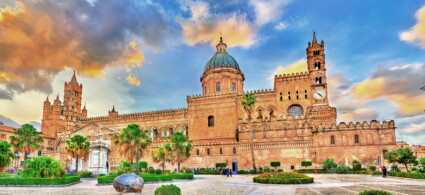
The list of unmissable attractions in Palermo is truly long, but if time is short, make a note of the most interesting: the Cathedral, the Teatro Massimo, the historic markets of Ballarò, Il Capo and La Vucciria, the Palazzo dei Normanni, the Church of La Martorana.
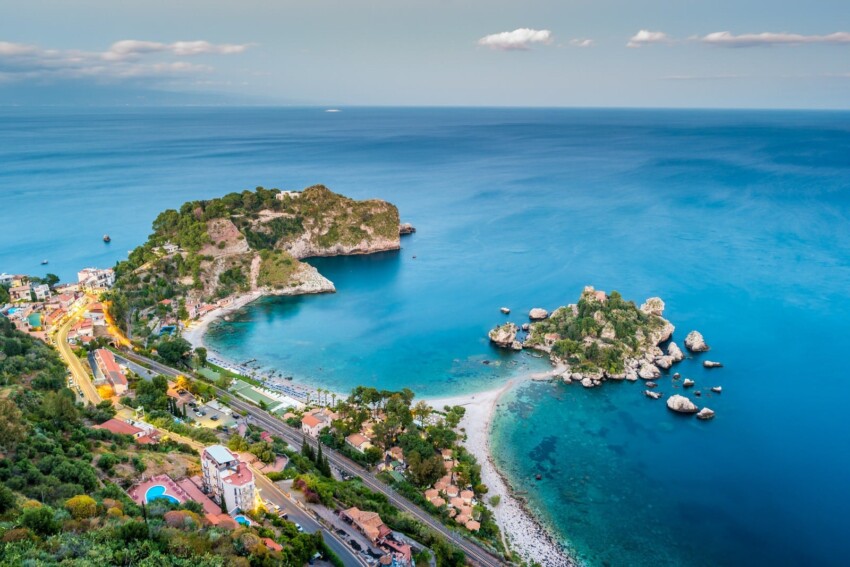
It’s probably Sicily’s most chic town but Taormina can afford to act like a diva: how many other towns can boast its exceptional position perched on a terrace of Monte Tauro, with spectacular views over the sea and Mount Etna, and one of ancient Sicily’s largest theatres still used today for prestigious cultural events?
Beyond the incomparable attractions of the historic centre lie other wonders in the surrounding area: not just the beaches, as beautiful as every corner of Sicily, but also Mount Etna, the Alcantara Gorges and filming locations from the cult film The Godfather.
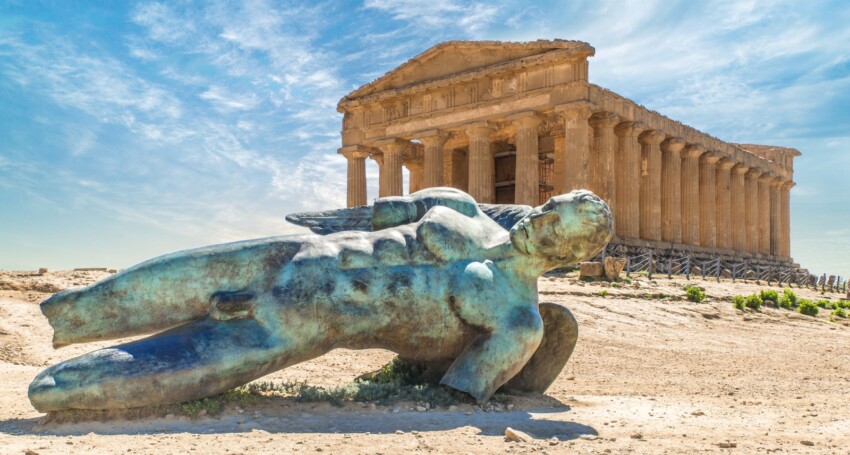
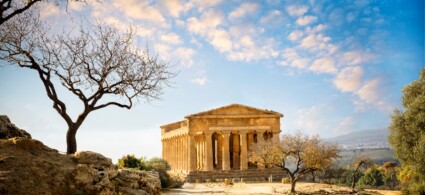
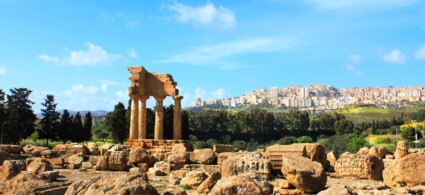
The Valley of the Temples in Agrigento is Sicily’s most famous and visited archaeological park. Ancient temples stand on a rocky ridge and rival Athens’ Parthenon in historical importance and atmosphere.
Bathed in the scorching Sicilian summer sun or illuminated by artificial lights in the evening, the Temple of Concordia, the Temple of Heracles, the Temple of Jupiter and the other temples and ruins in the park are an iconic sight that deserves to be seen with your own eyes at least once. Don’t just settle for online photographs: seeing it in person is a completely different experience.
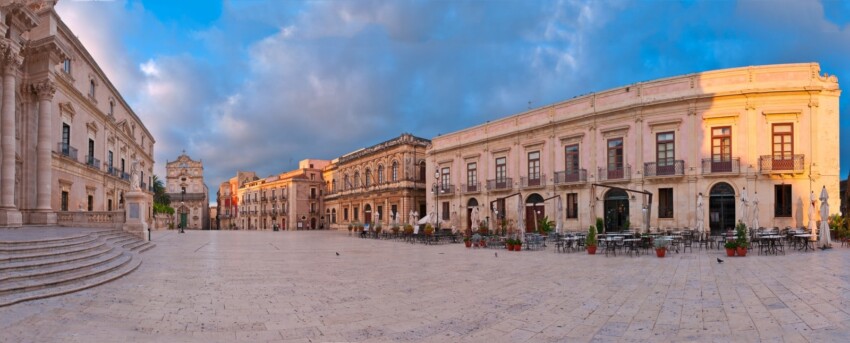
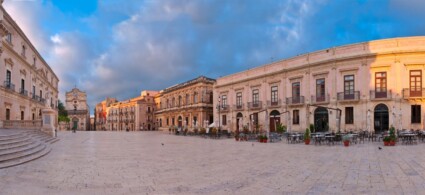
In antiquity it was a city of importance and beauty equal to Athens; today it is one of Sicily’s most visited destinations. It’s impossible not to fall in love with Syracuse: medieval atmospheres, Baroque splendour and panoramic vistas ensure that around every corner awaits a discovery, a flutter of the heart, an emotion.
The unmissable attractions in Syracuse are: Ortygia, a charming neighbourhood that blends Baroque buildings and ancient ruins; the Neapolis Archaeological Park, reachable on foot from Ortygia with a pleasant 30-minute walk; the Puppet Theatre, a symbolic place where the ancient Sicilian tradition of armed puppets is kept alive.
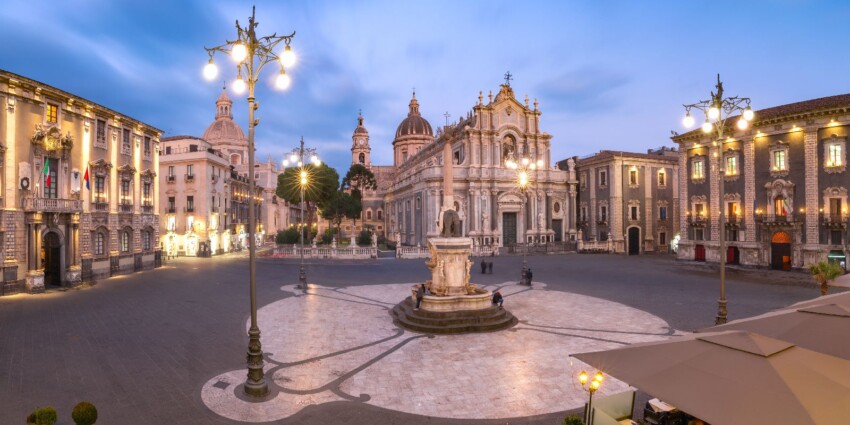
Situated on the slopes of Etna, Catania owes its history and reputation to the volcano. Built in dark-coloured lava stone, it was almost entirely rebuilt after the earthquake that devastated Sicily in the seventeenth century.
It still bears traces of the various civilisations that once flourished on its soil (Greek, Roman, Byzantine and Norman), but the city’s artistic heritage is a riot of Baroque architecture.
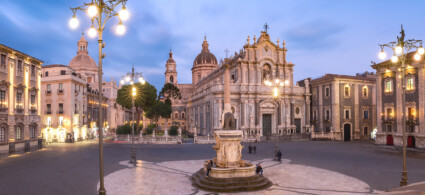
The centrally located Piazza del Duomo with its splendid buildings and the Elephant Fountain is an excellent starting point for discovering the city’s Baroque masterpieces.
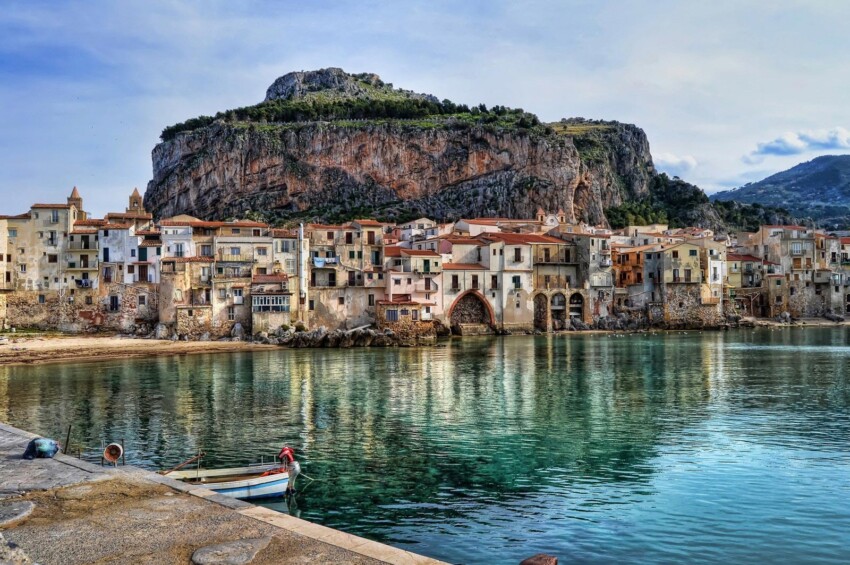
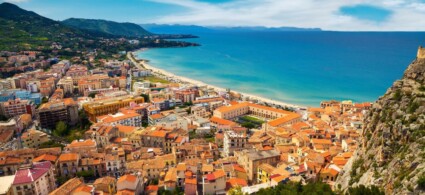
Cefalù is a charming fishing village on Sicily’s northern coast: a cascade of multi-level houses nestled against a picturesque beach overlooked by a rocky headland. Its timeless atmosphere, Norman echoes, romantic sunsets and excellent seafood restaurants make it an unmissable destination for any holiday in northern Sicily.
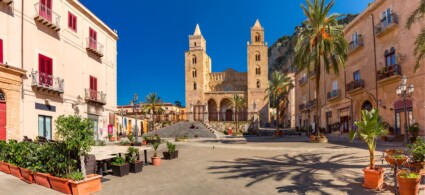
The unmissable attractions in Cefalù are: the Cathedral, a masterpiece of Arab-Norman architecture; Salita Saraceno, at the end of which awaits a fine panoramic view; the Mandralisca Museum, which houses an interesting private collection of paintings, ancient ceramics, coins and other precious objects.
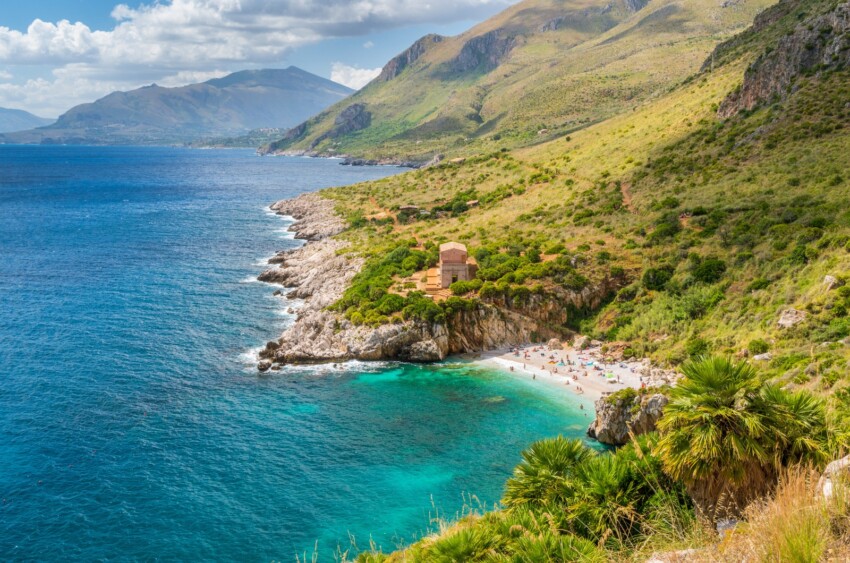
Do you love both trekking and the sea but can’t decide what type of holiday to take? You don’t need to choose: the Zingaro Nature Reserve between San Vito lo Capo and the gulf of Castellammare lets you do both.
The reserve is crossed on foot along a 7 km coastal path, considered one of Italy’s finest trekking routes. Along the way you can admire picturesque spots such as Punta Capreria, Cala del Varo, Marinella and Torre dell’Uzzo and stop at the enchanting beaches in the area for a refreshing dip.
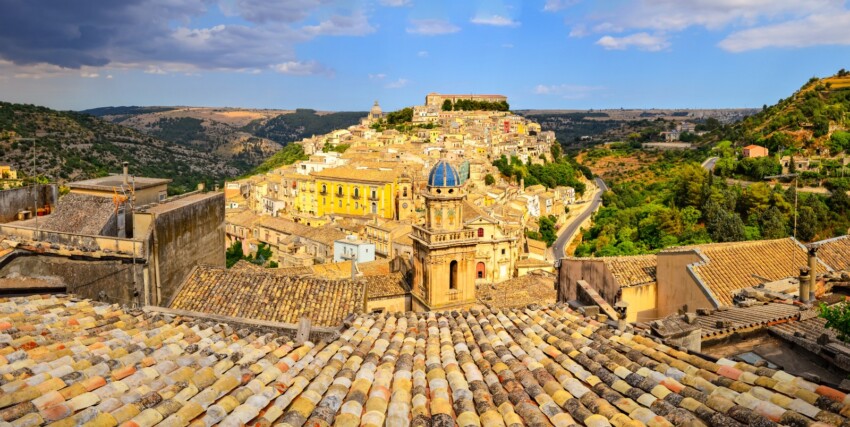
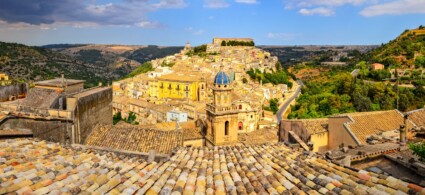
Destroyed by a devastating earthquake in the seventeenth century, Ragusa was completely rebuilt and today is divided into two distinct areas connected by steep staircases.
Ragusa Ibla is the historic centre, corresponding to the city’s original nucleus. Less visited than other towns in Sicily, it retains an authentic atmosphere and is more affordable than better-known destinations.
Magnificent views can be enjoyed from the three bridges that link Ragusa Ibla to the southern part of the city, each built in a different historical period.
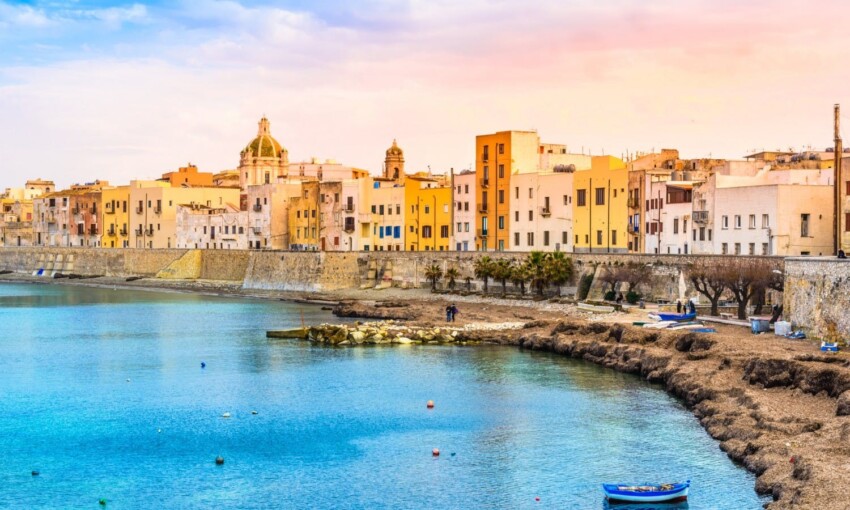
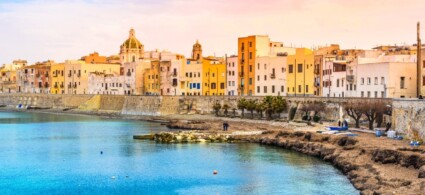
A sickle cutting through the sea: that’s how Trapani appears from above. Venturing into the intricate maze of alleyways in its historic centre reveals an elegant city, rich in magnificent churches and Baroque buildings, and vibrant thanks to its bustling port from which you can reach the Egadi Islands, mainland Italy or Tunisia.
In the surrounding area awaits the gentle countryside landscape and the striking vision of the salt flats, expanses of salt that resemble white desert dunes.
Trapani is an excellent base for exploring the main attractions of western Sicily.
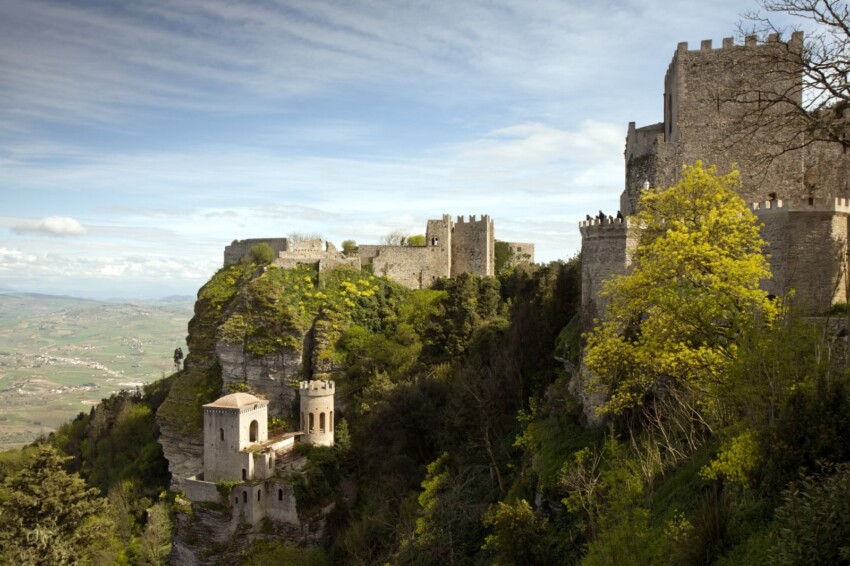
Perched atop a hill over 700 metres high, Erice is one of Italy’s most enchanting medieval villages, reachable from Trapani in just 10 minutes by modern cable car.
Rich in Phoenician, Norman and medieval buildings that testify to its ancient origins, Erice is a wonderful vantage point overlooking Sicily. From its towers, gardens and cable car stations you can enjoy breathtaking views of the city, the surrounding countryside and the sea in the distance.
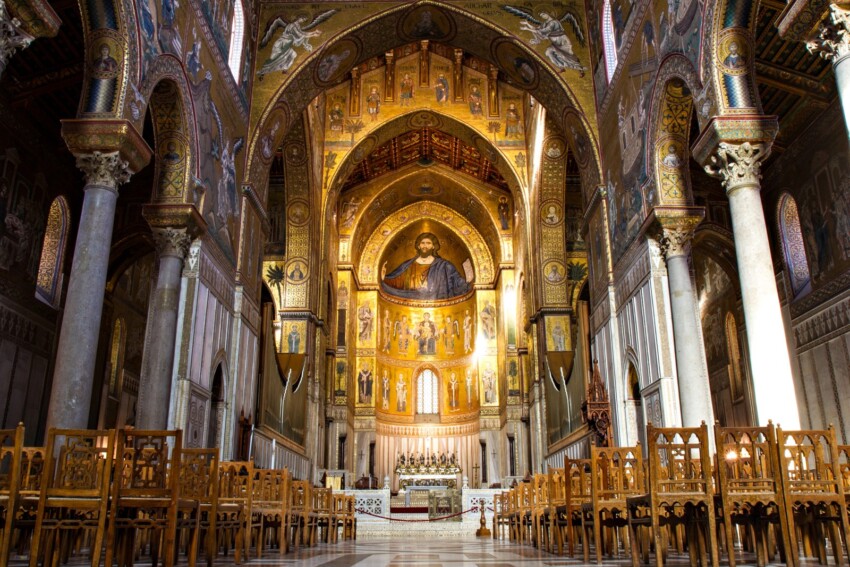
The Monreale Cathedral is an architectural masterpiece of extraordinary beauty and historical-artistic importance that draws visitors from around the world.
Built in the twelfth century at the behest of the Sicilian King William II, it is one of the highest expressions of artistic achievement in the Norman period and Italian medieval times. Its magnificent Byzantine mosaics are compared in beauty and importance to those of the Church of Hagia Sophia in Istanbul.
Monreale’s proximity to Palermo means that most visitors come here on a day trip, but it’s worth staying longer to explore it at leisure.
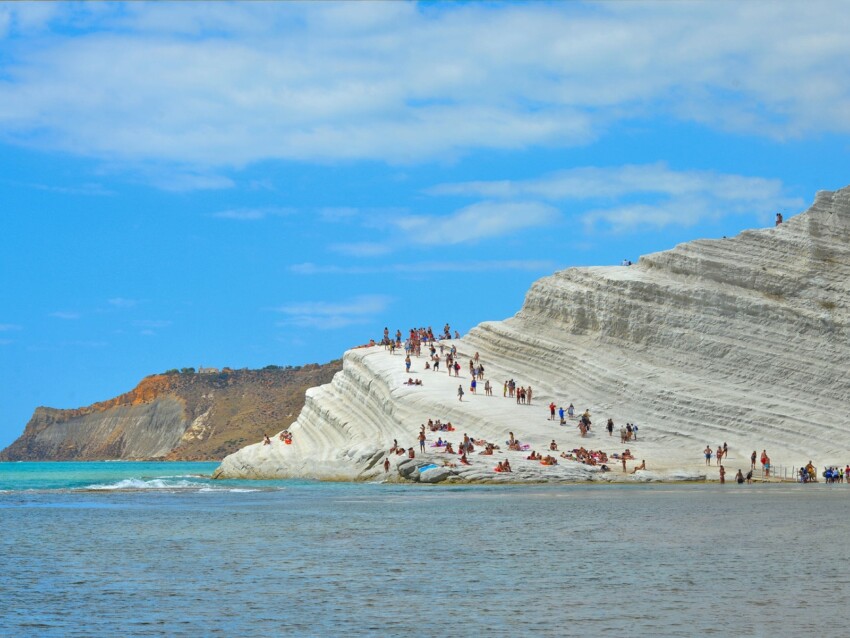
It’s hard to name just one of Sicily’s most beautiful beaches, but in a list of 20 top attractions the Scala dei Turchi in Agrigento cannot be left out – such a distinctive beach that it deserves to be seen even by those who don’t like to spend their holidays lying in the sun.
It’s a small beach nestled in a promontory of marl, a rock of ice-white colour that creates a spectacular contrast with the azure sea. Polished over the centuries by wind and sea, the rock now has a distinctive stepped formation.
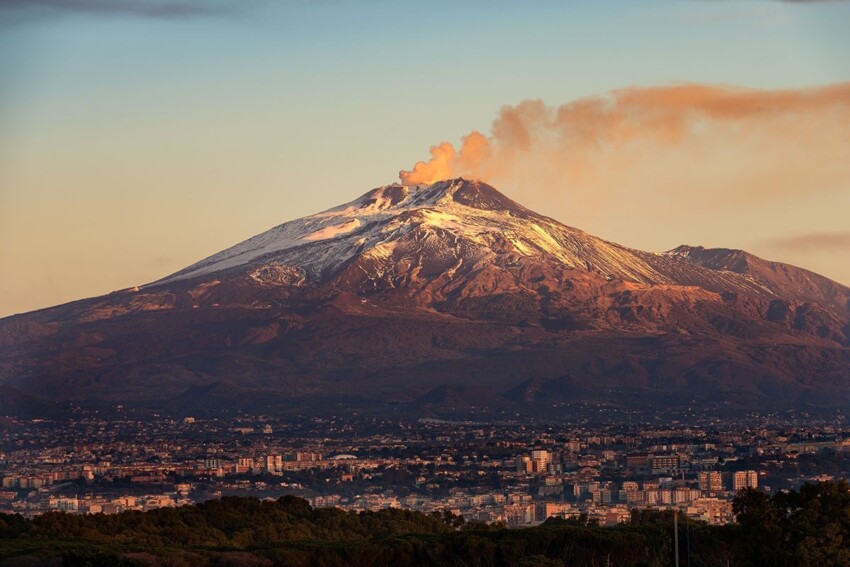
A holiday in Sicily gives you the unique opportunity to see an active volcano. Not just any volcano: Etna, Europe’s highest volcano (3,327 metres) and one of the world’s most active, designated a UNESCO World Heritage Site.
Spectacular to visit in every season, it’s a unique destination for walks in summer or skiing in winter with spectacular views. The excursion to the craters is the top attraction, but Mount Etna offers numerous activities beyond trekking: exploring caves, canyoning, mountain biking, horse or donkey rides.
The more romantic – or lazier – can enjoy Etna’s fascinating lava landscape on a scenic railway tour.
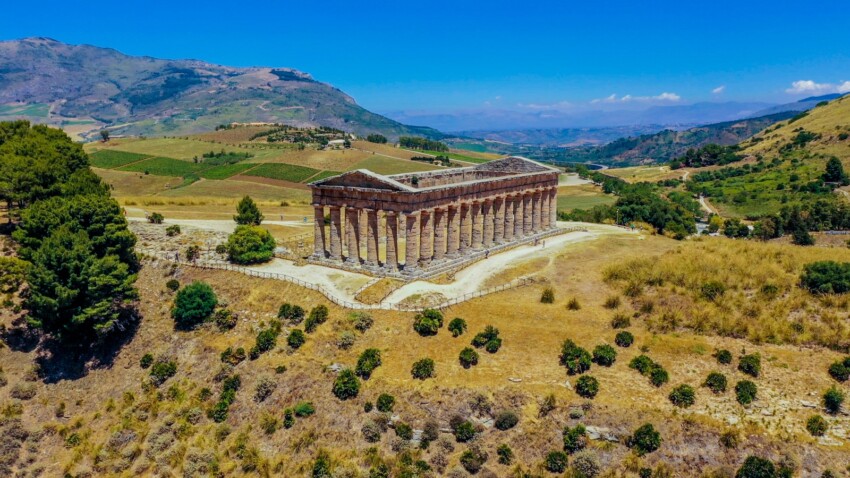
A precious testament to Sicily’s splendour in antiquity, the Segesta archaeological park comprises an imposing, well-preserved Doric temple, a Hellenistic amphitheatre carved into the rock, the ruins of a sanctuary and other ancient remains scattered across a verdant valley sheltered by gentle hills.
The amphitheatre could accommodate as many as 3,000 spectators, a figure that alone speaks to the grandeur and importance of Segesta in antiquity.
The temples of Segesta lie inland, roughly 70 km from Palermo, and their proximity makes them easily accessible as a day trip.
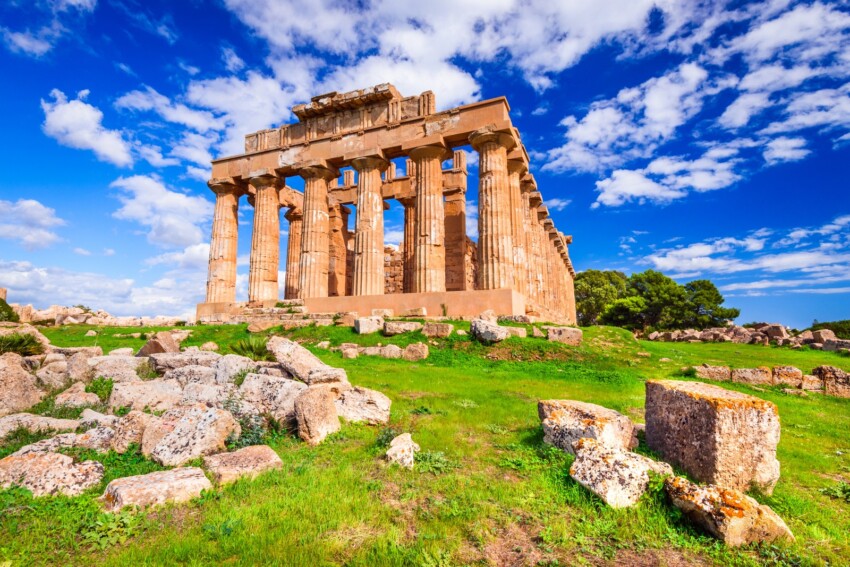
A historical rival of Segesta, with which it now competes for visitor numbers, Selinunte was one of Sicily’s most glorious Greek colonies.
Situated along Sicily’s south-western coast, it boasts one of Europe’s most extensive archaeological parks, encompassing an acropolis, the eastern hill, the Contrada Manuzza plateau, the Malophoros sanctuary and two necropolises (Manicalunga and Galera Bagliazzo).
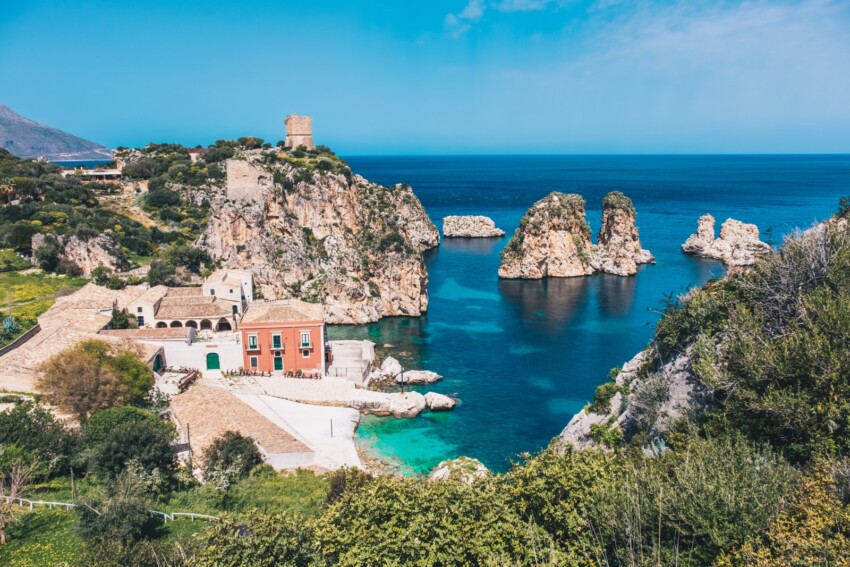
Among Sicily’s many enchanting villages, Scopello deserves a place on any list of Sicily’s 20 must-see destinations, thanks to its Tonnara, a precious embodiment of the indissoluble bond between the sea and Sicily that has shaped the island’s history.
The landscape is dreamlike: the village nestles on a gulf lapped by turquoise waters, where two iconic stacks emerge, whilst towering behind it is a dramatic reddish-hued cliff face.
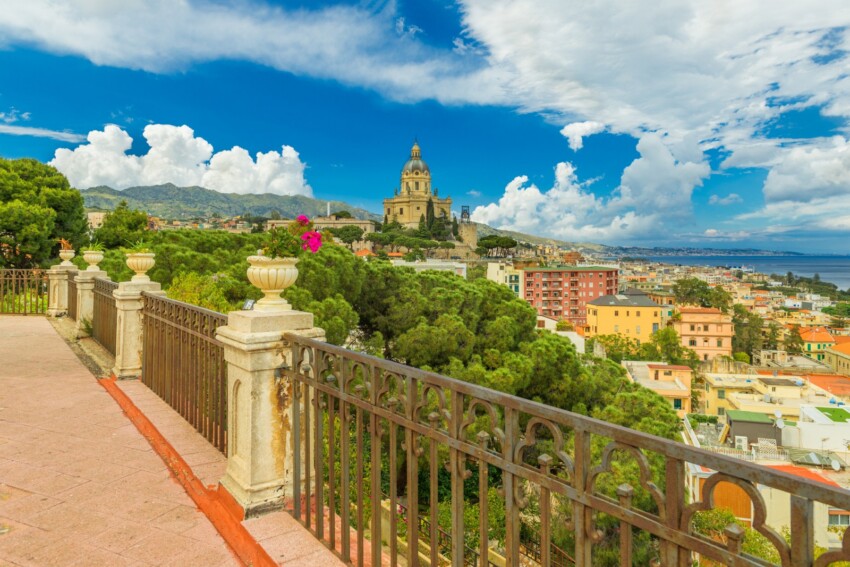
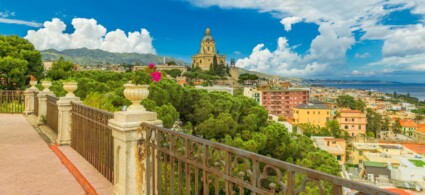
The Lady of the Strait is often viewed by many as merely a necessary stopover between the mainland and Sicily—a city to hurry away from in order to reach one’s final destination.
Those who linger in Messina discover unexpected and stirring treasures, such as the astronomical clock of the Cathedral, splendid Baroque fountains, a church situated three metres below street level, and a statue that blesses ships entering and leaving the harbour.
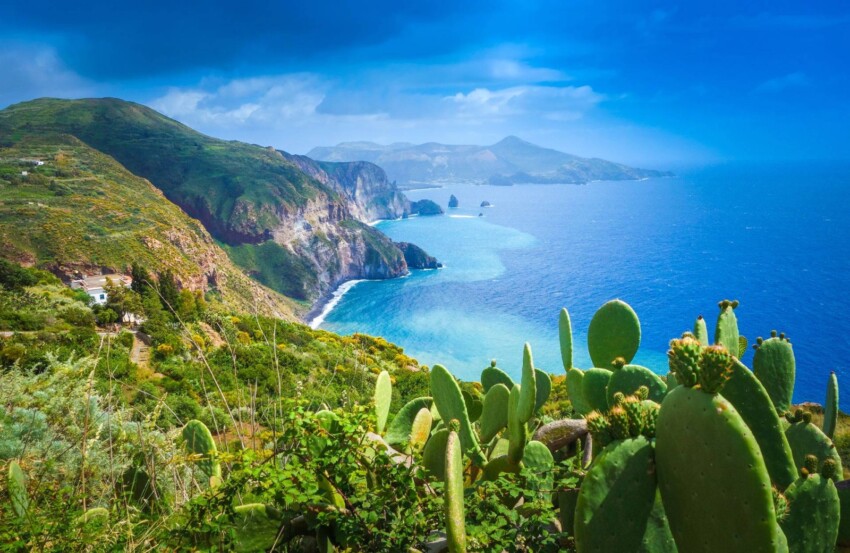
The Aeolian Islands are an archipelago of seven islands easily reached from Milazzo port: Lipari, Panarea, Stromboli, Vulcano, Salina, Alicudi and Filicudi.
Each island has its own distinct identity, set apart from the others, yet all boast enchanting beaches bathed by crystal-clear waters. Taken together, they form a varied microcosm where you can experience exhilarating days in the great outdoors—boat trips, diving, trekking on the volcano, mud baths, countryside walks and visits to picturesque villages.
Due to their proximity to the coast, they can be visited on a day trip.
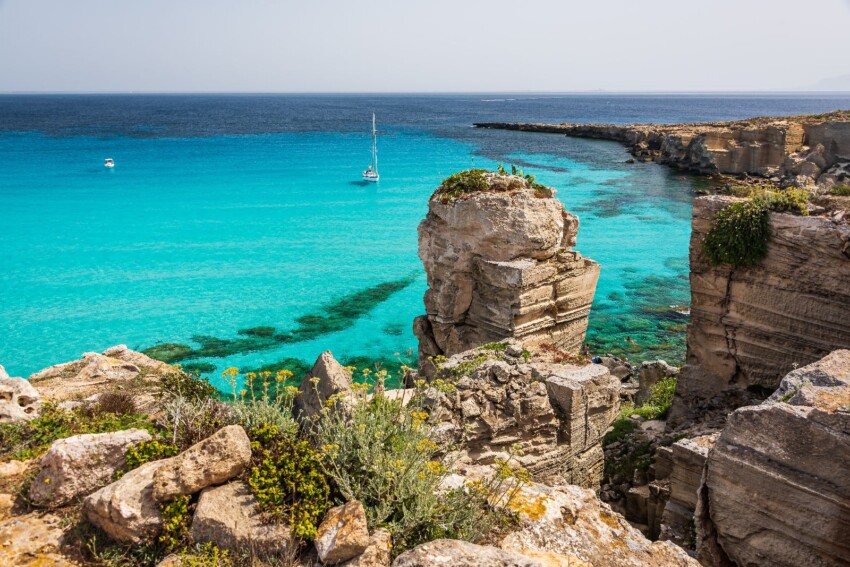
The Aegadian Islands are paradise for those who love beautiful sea. The archipelago comprises numerous islands, but only two have opened to tourism: Favignana and Marettimo. They are places where life unfolds at a leisurely pace, where you travel on foot or by bicycle and rediscover the simple pleasures of days gone by.
Whether sandy, pebbly or rocky, the Aegadian Islands’ beaches are among Sicily’s finest, caressed by azure, transparent waters.
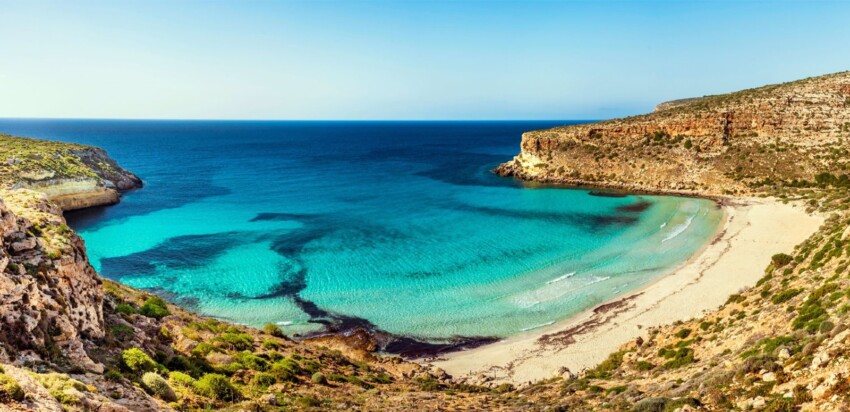
Remote and wild, closer to Africa than to Sicily, the Pelagian Islands are the hardest to reach: this discourages most tourists, yet delights those seeking to admire pristine nature in complete tranquillity.
At Linosa and Lampedusa you can leave behind the stress and rush of modern life, indulging in hours of relaxation on white-sand beaches reminiscent of the Caribbean or wilder-looking shores, taking exhilarating walks or—with a bit of luck—encountering a delightful loggerhead turtle.
In the following map you can see the location of the main places of interest mentioned in this article.
 Hotel
Hotel  Budget accommodations
  Apartments
  Family Hotel
  Luxury Hotel
  Resorts