B&B Mare di Augusta La Finestra sul Porto
Augusta - Via Adua 2
B&B Mare di Augusta La Finestra sul Porto in Augusta offers family rooms with air-conditioning, private bathrooms, and sea views.
Book now
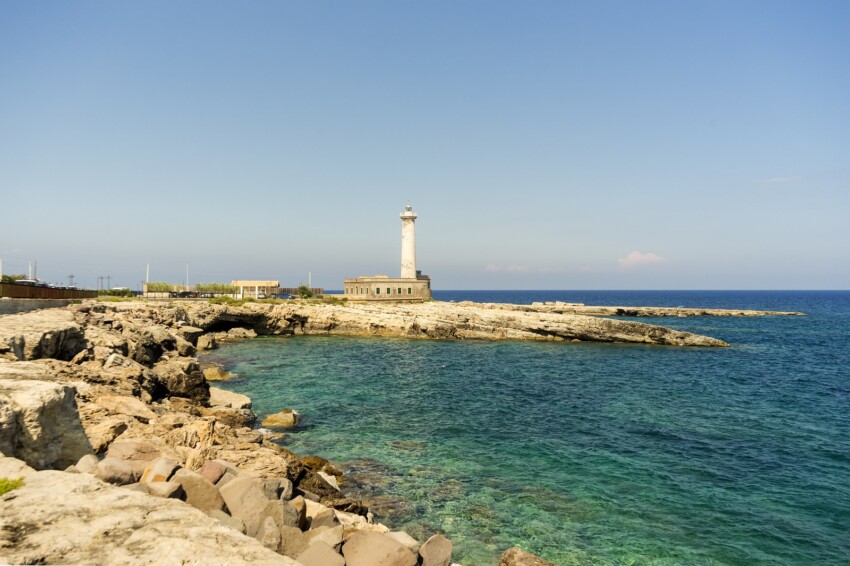
Along Sicily’s eastern coast sits Augusta, a charming town that stands as a true gem thanks to its ancient history, breathtaking landscapes and gastronomic heritage. Augusta’s story is rooted deep in antiquity—in 728 BC, the town of Megara Iblea was founded on this site over earlier settlements, eventually flourishing as a thriving Greek colony.
The city was destroyed and rebuilt multiple times until the Second Punic War, when it was devastated in 202 BC by the forces of the Roman consul Marcellus and never rebuilt. In the 13th century, at the behest of Frederick II of Swabia, who had a particular fondness for this territory, the new town of Augusta Veneranda was established, a short distance from the ancient polis of Megara. It quickly became one of the sovereign’s preferred locations.
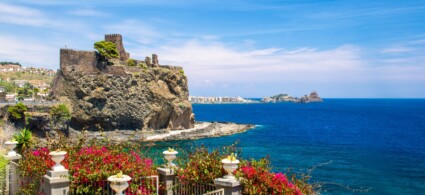
The city subsequently endured turbulent times because, given its strategic position within the gulf, Augusta often played a key role in military events. This is why the Aragonese castle was built here—a symbol of power and prestige. During the 17th century, the isthmus connecting Augusta’s centre to the mainland was removed, effectively transforming the area into an island with two harbours and a large salt marsh.
Today Augusta is a port town situated on a small island connected to the mainland by two bridges, preserving not only a heritage that speaks to its long past but also unspoilt beaches and breathtaking natural landscapes.
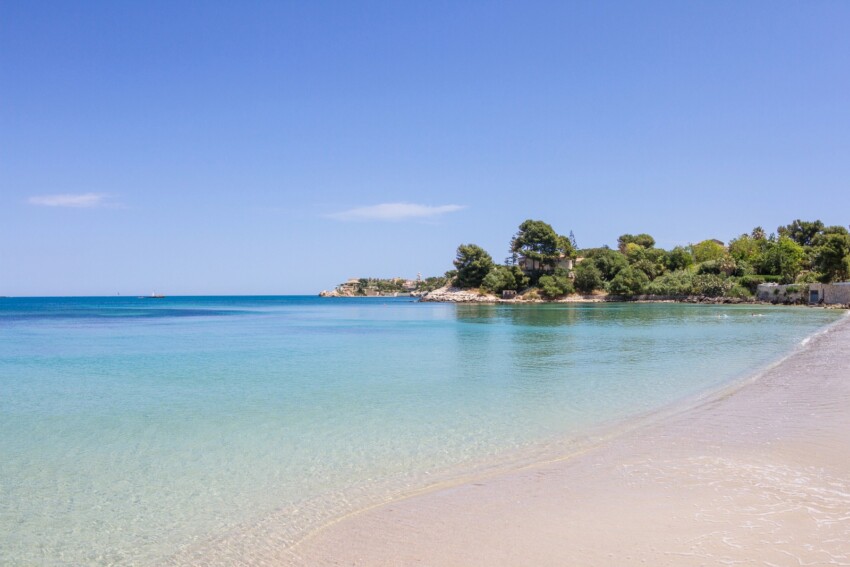
Set within a truly picturesque bay lies Brucoli, home to Augusta’s main beach and the ideal spot for a few hours of pure relaxation in the sun. Brucoli is a stretch of coast nestled in a natural cove surrounded by towering cliffs, boasting calm waters and a sheltered beach surrounded by bars, restaurants, shops and a lively tourist zone with various accommodation and leisure facilities.
The surrounding cliffs are home to several natural caves—perfect for snorkelling enthusiasts and especially diving lovers. About 2 km north of Brucoli, you’ll find Arcile Bay, a rocky inlet overlooking the Gulf of Catania, characterised by a small, tranquil pebble beach with wild stretches.
Continuing further north brings you to Agnone Bagni beach, another coastal hamlet within Augusta’s municipality, offering splendid views across Catania’s coastline and the Mount Etna volcano. About 16 km from Augusta’s centre, Agnone Bagni features a long stretch of golden sand bathed by clear, crystalline waters with sandy seabeds. The beach is extensive, with equipped bathing areas offering sunbed and umbrella rentals alternating with long sections of free beach. Between Agnone and Brucoli, the coast also hosts numerous coves long used as boat shelters, and underwater surveys conducted years ago uncovered an ancient wreck in less than 2 metres of water.
When planning a stay in Augusta, choosing the right location and accommodation type is crucial. Those seeking a more cultural experience might opt for lodging in the historic centre to immerse themselves in the town’s daily life, whilst beachgoers and those after relaxation are better served by staying in the waterfront area. Generally speaking, Augusta’s territory offers a wide range of options: from charming bed and breakfasts to delightful hotels, alongside apartments or holiday homes, many with pools.
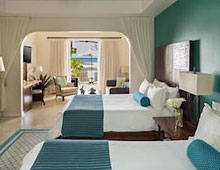
Those seeking a seaside break focused on relaxation and comfort can choose from numerous hotels along the coast offering panoramic views and excellent facilities such as direct beach access, pools or children’s entertainment services. Hotels, available on half-board or full-board basis, are the perfect choice for those wanting to unwind with all the conveniences of a hassle-free stay. Larger hotels and resorts dominate the coastal strip, whilst small hotels, B&Bs and agriturismos are more prevalent inland.
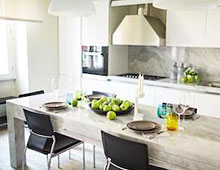
Those who value greater freedom and flexibility might consider one of the holiday homes or apartments available in Augusta, particularly plentiful during summer. There are numerous residence complexes with apartments, as well as standalone houses and villas available for medium to long-term rental with significant savings on your budget compared to hotels. This type of accommodation is ideal for those wanting greater privacy, more spacious living areas and the option to prepare their own meals, as these properties come equipped with kitchens and dining areas.
The city’s entrance was once secured by four gateways, with the Porta Spagnola standing out as the most imposing—part of a formidable 17th-century defensive structure built to ward off pirate raids. Once inside, you can easily reach the Castello Svevo, a massive fortress commissioned by Frederick II of Swabia, which has always symbolised the city and its importance. The stronghold was built for defensive purposes around an ancient Roman tower, whose ruins remain visible today, and was expanded and adapted numerous times over the centuries. In the 19th century, the castle was converted into a prison, a role it maintained until the mid-20th century. Exploring the narrow streets of the historic centre leads to Piazza Duomo, surrounded by historic buildings and the Church of San Domenico, constructed around the 13th century. Dedicated to San Domenico of Guzman, the town’s patron saint, the church has been destroyed and rebuilt several times.
In 1693, a major earthquake struck the island, destroying or severely damaging many of the town’s buildings, prompting significant reconstruction in the early 18th century. Among the rebuilt structures stand the magnificent Church of Santa Maria Assunta, considered a true jewel of Sicilian baroque, and the Church of Anime Sante, which blends baroque and rococo elements. Finally, don’t miss a visit to the archaeological site of the ancient polis of Megara Iblea, completely destroyed after the Second Punic War and later abandoned; the area where the city once stood is now an archaeological park where you can admire the agora, remains of temples and Hellenistic baths, as well as traces of defensive walls.
Augusta’s nightlife isn’t as vibrant as larger nearby cities like Syracuse, but it nonetheless offers several entertainment and leisure opportunities. The waterfront area, home to numerous restaurants, bars and shops, comes alive during summer evenings when shows, festivals and various cultural and sporting events are organised.
Some of the beach clubs that provide daytime relaxation spring to life from late afternoon, organising beach aperitifs and evening events that can continue late into the night. There are also religious festivals such as the Feast of the Sacred Heart of Jesus, held annually in Augusta on the last Sunday of June, and the Feast of the Assumption of Mary on 15 August. For these occasions, several days of cultural and sporting events, musical performances and gastronomic festivals are typically scheduled.
The best way to reach Augusta is certainly by car. From Syracuse, you can reach Augusta in roughly half an hour via the E45 motorway, whilst from Palermo you’ll travel on the A19 motorway. Augusta is connected to the Brucoli and Agnone Bagni coastlines via the SS14 and Provincial Roads 3 and 57, whilst Provincial Road 95 links the town to the nearby towns of Lentini and Carlentini.
Catania-Fontanarossa Airport is the nearest airport, just over 40 km away. Those preferring train travel can use Augusta’s Railway Station on the Catania-Syracuse line, or alternatively the nearby railway station in Lentini, less than 30 km away.
What's the weather at Augusta? Below are the temperatures and the weather forecast at Augusta for the next few days.
 Hotel
Hotel  Budget accommodations
  Apartments
  Family Hotel
  Luxury Hotel
  Resorts